


01.
Shape and Structure
Develop the overall silhouette, opening, neck, rim, wall profile, base, handle, pouring structure, or assembly details according to the intended application.
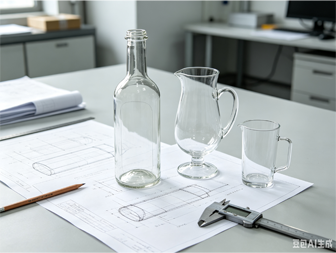
Turn drawings, reference samples, or initial concepts into practical custom glassware development projects. SHD Crystal evaluates product structure, glassware product customization, forming options, decoration, accessories, and packaging for OEM glassware projects before sampling and mass production.
SHD Crystal supports custom glassware development for brands, distributors, hospitality suppliers, packaging buyers, and product developers, from initial requirement review through sampling and mass production. Each project may begin with a technical drawing, reference image, physical sample, existing product, or an early design concept.
Our support for OEM glassware projects covers drinkware, tableware, decorative glassware, bottles, jars, and other custom products.
Discuss Your Product Concept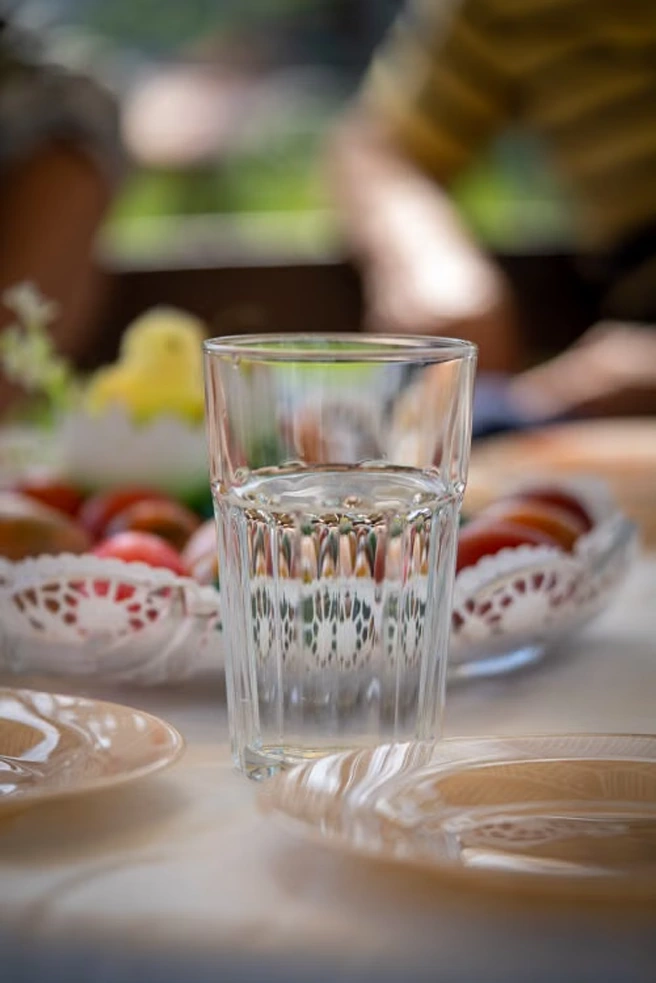
Customization may involve the glass body, decorative finish, fitted accessories, and final product presentation. Each option is reviewed according to manufacturing feasibility, intended use, consistency requirements, and target market.
Develop the overall silhouette, opening, neck, rim, wall profile, base, handle, pouring structure, or assembly details according to the intended application.
Adjust dimensions, usable capacity, glass weight, wall distribution, opening diameter, and product proportions within practical manufacturing limits.
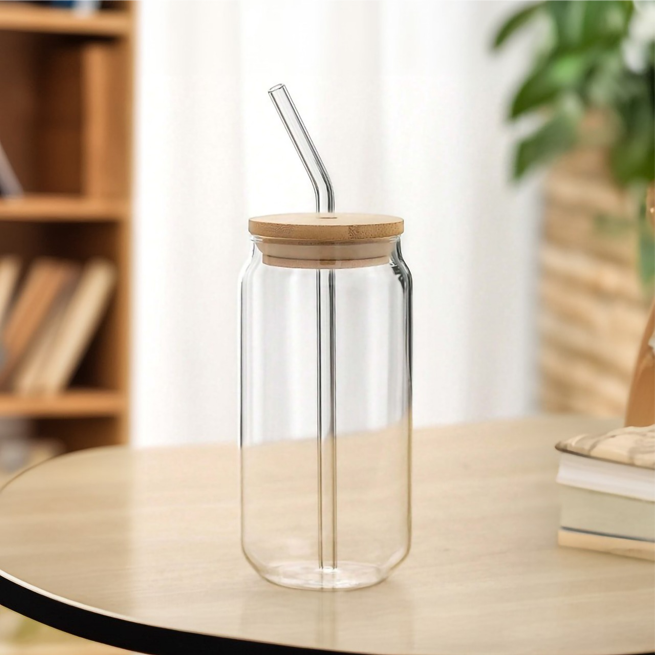
Select a suitable glass composition and forming route, including hand blowing, automated mold blowing, pressed forming, or another production method suited to the product structure.
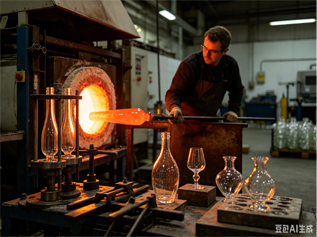
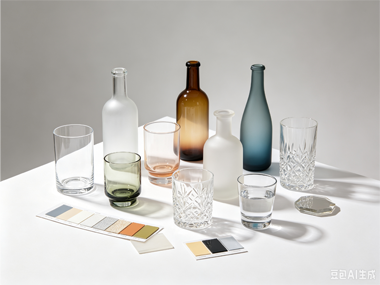
Review transparent colors, sprayed finishes, frosting, gradients, textures, cutting, polishing, and other surface effects.
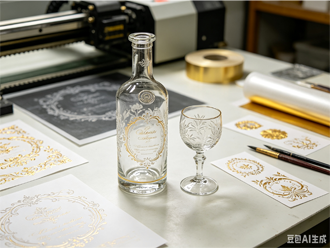
Plan custom glass decoration through engraving, printing, decals, hot stamping, painted details, or other processes suitable for the product shape.
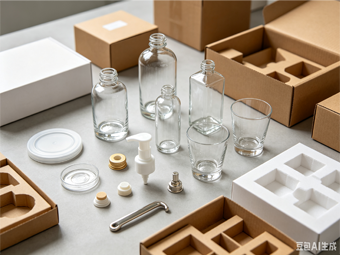
Coordinate lids, stoppers, pumps, handles, metal fittings, inserts, individual boxes, gift packaging, export cartons, and pallet preparation.
Each project moves through structured review, engineering assessment, mold and sample planning, validation, production preparation, and final packing confirmation.

We review the product concept, intended application, reference materials, target quantity, market requirements, and expected customization range.

Product dimensions, capacity, wall profile, opening, base, assembly details, and functional requirements are assessed for feasibility.

The team evaluates whether the product should use an existing mold, a modified structure, a new mold, pressed forming, or a blown-glass route.

Initial samples are produced to confirm the product shape, dimensions, capacity, surface quality, accessories, and overall presentation.

The sample is reviewed against the approved drawing, reference standard, decoration requirements, packaging concept, and intended use.

Approved specifications, molds, decoration details, quality checkpoints, accessories, and packing instructions are prepared for production.

Finished products are checked for agreed appearance and structural requirements before protective packing and shipment preparation.
The mold and sampling route depends on the extent of glassware product customization required. Existing products may support changes to color, decoration, accessories, or packaging, while substantial changes to shape, dimensions, opening, base, or molded patterns may require new mold development.
The sample stage helps confirm details that cannot be judged reliably from a drawing alone, including actual capacity, visual proportions, glass weight, wall distribution, lid or stopper fitting, logo position, color effect, decoration clarity, and packing compatibility.

Suitable when the main glass structure remains unchanged and the project focuses on decoration, accessories, colors, or packaging.

Required when the product needs a new shape, structural proportion, opening, base, pattern, or functional detail.

Used to verify dimensions, capacity, appearance, assembly, decoration, and packaging before production approval.
Decoration, accessories, and packaging should be planned together with the glass body so that artwork, fittings, assembly, and protection remain compatible with the selected product.

 Additional notes:
The available custom glass decoration process depends on the product shape, contact area, surface curvature, required durability, and intended cleaning conditions. Packaging is then reviewed according to product weight, projecting accessories, fragile areas, and international transport requirements.
Yes. Initial evaluation can begin with a reference image, physical sample, technical drawing, existing product, or early design concept.
No. Projects based on an existing product may only require changes to color, logo, decoration, accessories, or packaging. A new mold is normally considered when the glass body requires a different shape, size, opening, base, surface pattern, or structural feature.
Shape, dimensions, capacity, surface quality, accessories, decoration, and packaging are reviewed against the approved requirements.
Yes. These elements can be coordinated together so the selected decoration, fittings, assembly, and protection remain compatible.
They depend on product structure, forming route, mold requirements, decoration method, accessories, packaging, order quantity, and sample approval.