Soda-Lime Glass
Widely used for drinking glasses, jars, bottles, plates, bowls, and other everyday glass products.
SHD Crystal's glassware manufacturing capabilities cover glass material selection, glass forming processes, decoration, and glass surface finishing for drinkware, tableware, bottles, jars, and other glass products. Each production route is selected according to product structure, appearance, order volume, and consistency requirements.
SHD Crystal applies its glassware manufacturing capabilities across material review, forming, annealing, cutting, polishing, decoration, and final surface treatment. Rather than applying one production method to every product, we match the manufacturing route to the required shape, wall structure, surface effect, order quantity, and expected batch consistency.
Our manufacturing support covers both hand-formed and machine-formed glassware. Technical feasibility, product positioning, production volume, decoration requirements, and the approved sample standard are reviewed before the manufacturing route is confirmed.
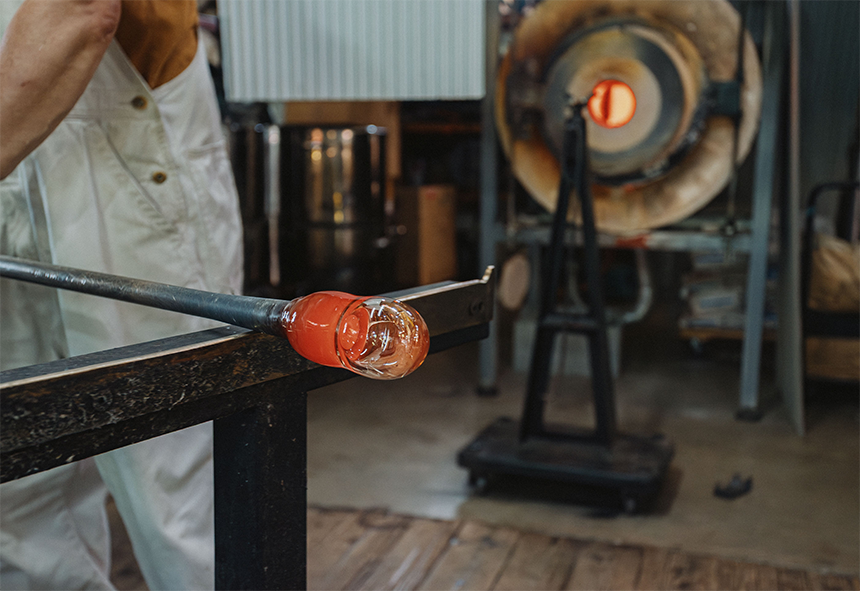
Glass material selection is the starting point of our glassware manufacturing capabilities because the selected composition affects clarity, weight, forming behavior, cutting response, decoration compatibility, and target cost.
Widely used for drinking glasses, jars, bottles, plates, bowls, and other everyday glass products.
Suitable for products requiring enhanced clarity, brilliance, refined weight, and a premium presentation.
May be selected for products that require improved resistance to temperature change.
Widely used for drinking glasses, jars, bottles, plates, bowls, and other everyday glass products.
Different glass forming processes influence product shape, wall distribution, surface definition, dimensional consistency, mold requirements, and suitable production volume.
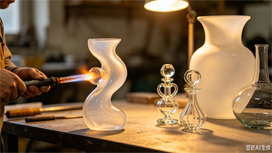
Suitable for sculptural shapes, organic profiles, larger decorative forms, and products where handcrafted character is part of the design.
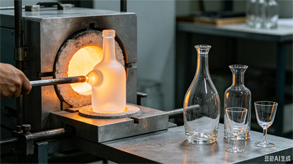
Uses a mold to establish the main external profile while the glass is expanded into shape.
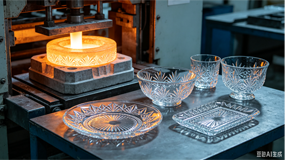
Molten glass is pressed into a mold to create defined outlines, heavy bases, surface relief, patterns, plates, bowls, trays, and other structured products.
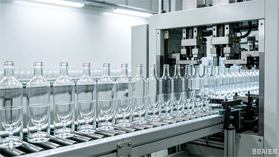
Appropriate for selected higher-volume products requiring repeatable dimensions, efficient production, and stable output.
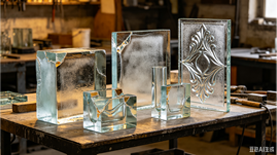
Cast-glass or combined forming methods may be evaluated for selected decorative products and unusual structures.
Glass surface finishing changes the appearance, texture, light transmission, and brand presentation of a finished product. The most suitable glass decoration techniques depend on the product shape, surface curvature, intended contact areas, durability expectations, cleaning conditions, and order quantity.

Cutting creates facets, lines, patterns, and decorative depth, while polishing restores clarity and smoothness to rims, edges, bases, and cut surfaces.

Frosting and abrasive treatments create translucent or matte effects. Masking can be used to control patterns, logos, transparent windows, and partially frosted areas.

Transparent, opaque, gradient, metallic, and selected matte color effects can be applied according to the glass shape, intended use, and required visual consistency.

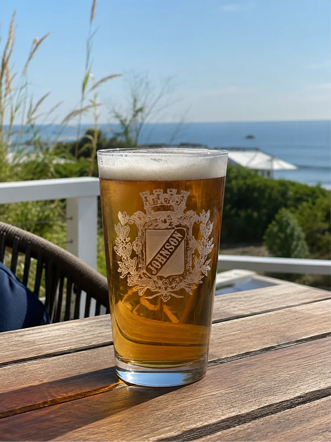
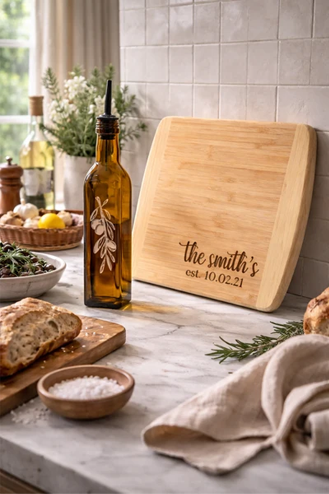
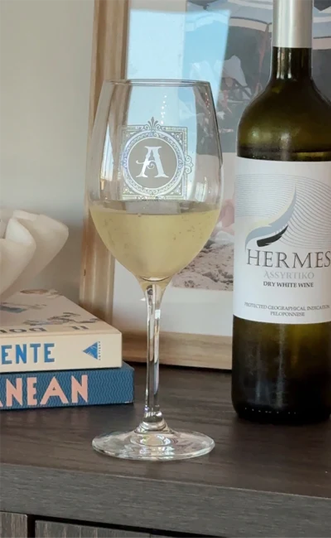
Logos, monograms, patterns, wording, and decorative artwork may be engraved according to the available surface area and viewing direction.

Printing and decals can apply logos, patterns, multicolor artwork, measurement marks, and decorative graphics to suitable glass surfaces.

Gold, silver, and other metallic effects may be applied to rims, logos, borders, and decorative areas.