


A bottle size only becomes useful when it fits the product and the way that product will be filled, presented, and used. For beverage, sauce, wellness, condiment, and specialty liquid projects, 10 oz glass bottles offer a middle-sized format that can provide meaningful product volume without moving into a particularly large or heavy container.
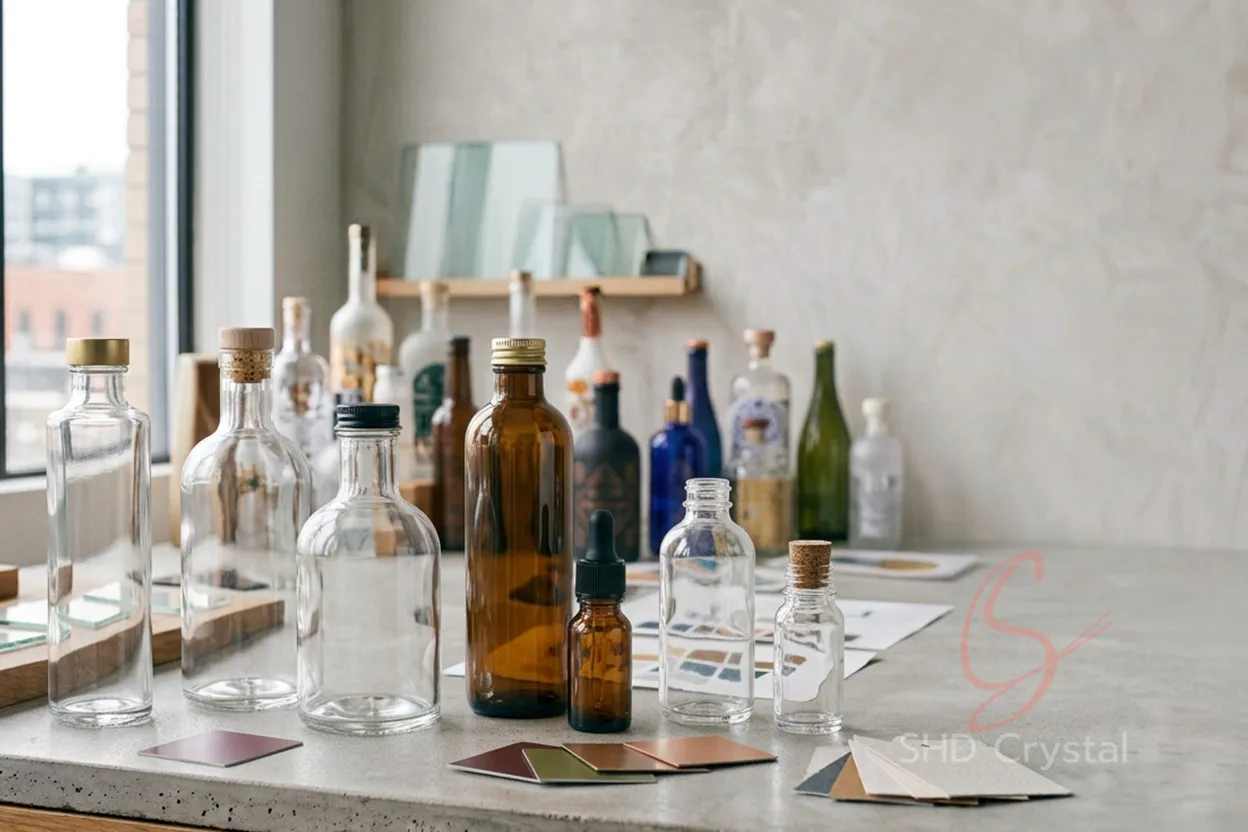
10 Oz Glass Bottles for Custom Packaging Projects
A bottle size only becomes useful when it fits the product and the way that product will be filled, presented, and used. For beverage, sauce, wellness, condiment, and specialty liquid projects, 10 oz glass bottles offer a middle-sized format that can provide meaningful product volume without moving into a particularly large or heavy container.
For B2B packaging projects, however, the nominal capacity is only the starting point. Bottle profile, actual fill level, neck finish, closure, label area, glass weight, and production consistency all influence whether the selected format works in commercial use. This becomes even more important when brands move from a standard bottle toward custom 10 oz glass bottles.
10 Oz Glass Bottles Need More Than a Capacity Specification
Ten ounces can be a useful format because it sits between smaller single-use containers and larger family-size packaging. Depending on the product, this can provide enough front-facing area for branding while keeping the bottle manageable during filling, carton packing, shelf display, and everyday handling.
But two bottles with the same nominal capacity can behave very differently. A tall, narrow bottle may provide a different label area and shelf presence from a shorter, broader bottle. Shoulder geometry can influence filling and visual proportions, while base diameter affects stability and how efficiently bottles can be arranged during secondary packing. For this reason, we look at capacity together with the complete bottle structure instead of treating “10 oz” as a complete specification by itself.
Nominal Capacity and Actual Filling Conditions Are Not the Same Thing
One point worth confirming early is the difference between bottle capacity and the intended commercial fill. The product usually needs an appropriate fill level and headspace rather than simply occupying every available volume inside the container. The correct relationship depends on the product, filling process, closure system, and other project conditions. This means a bottle described as 10 oz still needs to be tested against the actual filling requirement.
For beverage or sauce projects, we may review the expected liquid level, shoulder position, neck opening, and closure together. An otherwise suitable bottle can look poorly proportioned if the intended fill line falls at an awkward point in the shoulder.
These details are particularly important in glass bottle OEM development, where changing the bottle geometry gives the brand more control but also creates more variables that need to be confirmed before production.
Product Type Changes What Matters Most
Different contents place different demands on the same general bottle size. For beverages, transparency, bottle stability, sealing, filling-line compatibility, and drinking or pouring behavior may receive more attention.
For syrups, sauces, or other more viscous products, the neck opening and dispensing behavior become more important. A bottle that works well for juice should not automatically be assumed suitable for a thicker sauce.
Wellness and specialty products may put more emphasis on glass color, tactile weight, decoration, or distinctive closure combinations.
This is why custom 10 oz glass bottles should be developed around the actual contents rather than around appearance alone.
Shape, Label Area, and Shelf Presentation Work Together
Bottle design also determines how much usable space a brand has for labels, printing, or other decoration.
A broad cylindrical body can provide a relatively predictable label area, while tapered bodies, shoulders, embossing, or strong curves may reduce the available flat surface. This should be considered before artwork is finalized. The same bottle geometry also affects shelf presentation. Some brands prefer taller bottles because they create a stronger vertical presence. Others favor a wider body that communicates substance or provides more front-facing decoration space.
For glass bottle OEM development, these commercial considerations are worth reviewing together with manufacturing feasibility. A distinctive silhouette has greater value when it still supports filling, labeling, packing, and repeat production.
Glass Weight Should Support the Product, Not Simply Add Substance
More glass does not automatically mean better packaging. A heavier base or thicker wall can contribute to a substantial hand feel, but unnecessary weight also affects handling and transportation. At the other extreme, reducing glass too aggressively can create a bottle that no longer delivers the intended physical or visual character.
The better approach is to consider weight distribution. Base thickness, body walls, shoulders, and neck transitions should work together so the bottle feels stable and balanced. During production, forming conditions, mold control, glass distribution, and annealing also influence whether this balance can be reproduced consistently.
Decoration Needs to Fit the Actual Bottle Surface
Frosting, printing, coating, embossing, and colored glass can all give a 10 oz bottle a different identity. But decoration should be reviewed on the real bottle. A printed area may behave differently on a curved shoulder than on a straight body. Frosting can change how transparent contents appear through the glass. Coating and bottle color can also influence the visual relationship between the container and closure.
Within glass bottle OEM development, we prefer to consider these finishing choices during sampling rather than adding them as an isolated final step.
Production Consistency Matters More as the Program Grows
A successful sample proves that the concept can work. Commercial production needs to prove that it can work repeatedly. Important review points may include capacity, dimensions, neck geometry, base stability, surface appearance, closure compatibility, and decoration consistency.
For larger programs, multiple pieces should be evaluated together rather than relying on one ideal sample. Differences that appear minor individually can become much easier to notice when bottles are displayed together in a finished product line.
Secondary transport packaging should then be planned around the confirmed bottle dimensions. Carton structure, internal separation, and pallet arrangement are used to protect the finished glass containers during shipment; they are separate from the glass bottle itself, which serves as the product's primary packaging.
Conclusion
10 oz glass bottles can provide a practical balance between usable capacity, handling, branding space, and commercial presentation, but the size alone does not determine whether a bottle is suitable.
Product characteristics, actual fill level, headspace, neck finish, closure fit, bottle weight, label area, decoration, and production consistency all need to be considered together.
For brands developing custom 10 oz glass bottles, early sample review provides a more reliable foundation for glass bottle OEM development than approving a container only by nominal volume or appearance.
Developing 10 Oz Glass Bottle Projects With SHD Crystal
SHD Crystal supports 10 oz glass bottles through bottle structure review, mold development, sampling, closure coordination, surface finishing, inspection, and production planning.
For custom 10 oz glass bottles, we can review product application, filling requirements, neck and closure structure, bottle proportions, decoration, and repeat-production requirements together. This project-based approach helps glass bottle OEM development move from an initial capacity requirement toward a glass container that is better prepared for commercial use.
FAQ
Q01 | Are 10 Oz Glass Bottles Suitable for Beverage and Sauce Packaging?
They can be suitable for beverages, sauces, syrups, wellness products, and other liquid applications, but the product itself still needs to be considered. Viscosity, filling method, required headspace, neck opening, closure, and dispensing expectations should all be reviewed before the bottle specification is finalized.
Q02 | What Should Be Confirmed Before Developing Custom 10 Oz Glass Bottles?
Brands should normally confirm the intended product, target fill volume, bottle proportions, neck finish, closure type, label or decoration area, glass color, surface finish, and production requirements. Physical samples are useful for checking whether these details work together under actual filling and handling conditions.
Q03 | Does a 10 Oz Bottle Always Hold Exactly the Intended 10 Oz Fill?
Not necessarily. Nominal bottle capacity and the intended commercial fill are related but should not be treated as identical. Product filling usually needs an appropriate liquid level and headspace, so the bottle should be evaluated with the actual product, closure, and filling process before production.

