


12 oz glass bottle uses cover a wide range of beverage applications because this capacity has become a familiar single-serving format. Approximately 355 ml, this size is commonly used for beer, cold brew coffee, kombucha, juice, tea, craft beverages, sauces, and specialty drinks.
However, the application is not determined by capacity alone. Different glass bottle shapes influence pouring experience, shelf appearance, labeling space, storage efficiency, and overall product positioning.
For brands selecting beverage glass bottles, understanding how bottle shape matches product use can help create packaging that performs well from filling to final display.
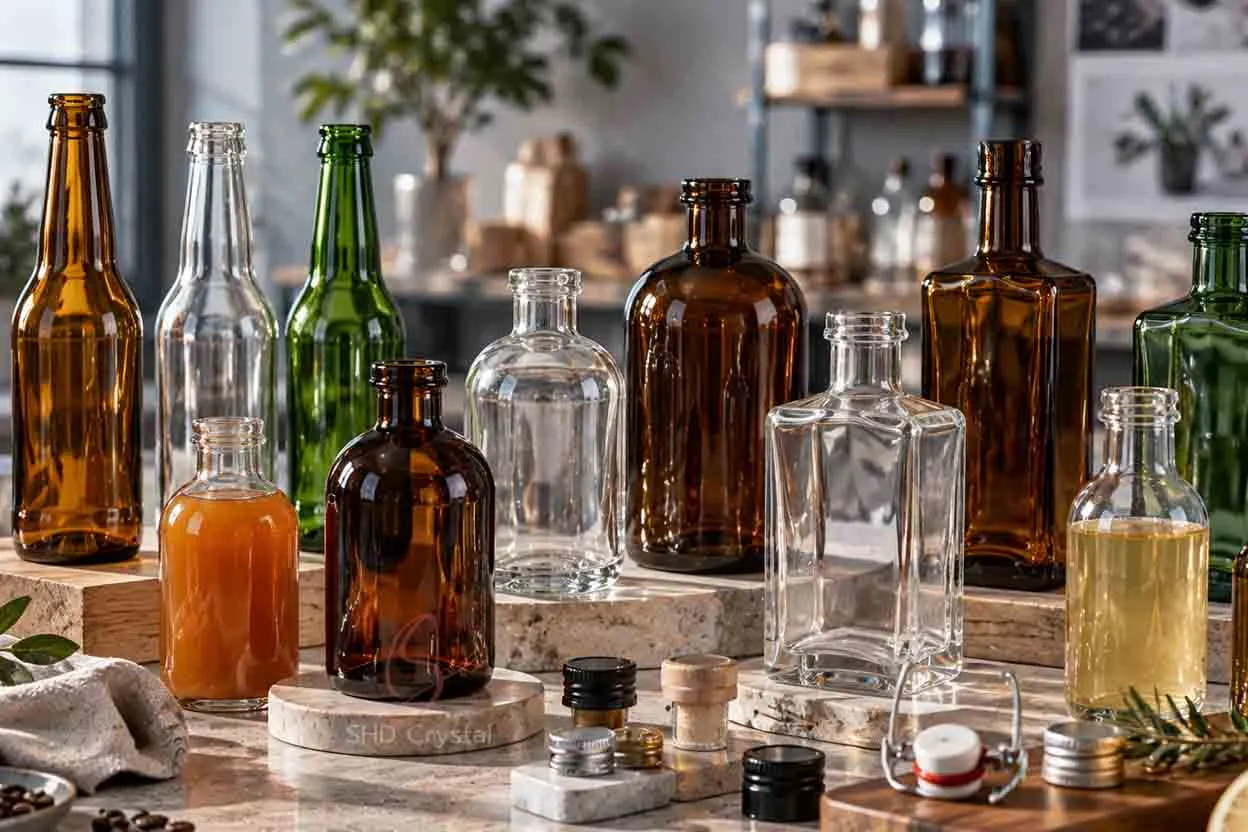
12 Oz Glass Bottle Uses Depend On Shape And Product Positioning
A 12 oz bottle may look simple, but different designs have developed for different market needs. Some shapes focus on easy pouring, some improve shelf presentation, while others provide better packing efficiency. The right choice depends on the product type, filling process, closure system, and brand image.
Long Neck Bottles Support Classic Beverage Presentation
Long neck bottles are one of the most recognizable glass bottle shapes, especially in beer packaging. Their extended neck creates a comfortable grip and supports a smooth pouring experience, making them closely associated with breweries and craft beverage brands.
Beyond beer, this shape is also used for craft sodas, ciders, and specialty drinks that want a more traditional beverage appearance.
For beverage glass bottles, long neck designs provide strong shelf recognition because consumers can immediately connect the silhouette with a beverage experience.
Boston Round Bottles Offer Flexible Labeling And Product Use
Boston Round bottles feature rounded shoulders and a narrower neck, creating a balanced and practical structure. This shape is widely used for cold brew coffee, kombucha, sauces, syrups, and other specialty liquid products because it provides a smooth body surface that works well with labels.
Among different glass bottle shapes, Boston Round designs are valued for their simple appearance, stable structure, and adaptability across multiple product categories. For brands developing different flavors or product variations, this shape can also create a consistent packaging family.
French Square Bottles Create A Modern Shelf Profile
French Square bottles use a square body design with flat sides and clear edges. This structure creates a more modern appearance while providing efficient packing characteristics. The flat surface is especially useful for large labels, allowing brands to display product information and visual elements more clearly.
For premium cold-pressed juices, dairy beverages, and specialty drinks, this type of beverage glass bottles design can help highlight product color and create a cleaner shelf presentation. The square profile also helps reduce wasted space during storage and transportation compared with some rounded bottles.
Stout And Heritage Shapes Add A Craft Impression
Shorter and wider heritage-style bottles create a stronger, more stable appearance. Originally associated with darker beer styles such as stouts and porters, these shapes are now also used by kombucha, cider, and craft beverage brands. Their lower center of gravity can improve stability during handling, filling, and shelf display.
For brands looking for a more traditional or handmade product image, this category of glass bottle shapes can create a stronger connection with craft-oriented positioning.
Closure And Filling Requirements Still Matter
While bottle shape influences appearance, practical performance depends on more than silhouette. A 12 oz bottle must match the product filling method, closure type, and transportation requirements. Caps, neck finishes, label areas, and carton structures all affect the final packaging system.
For example, a beverage brand using a long neck bottle may prioritize secure sealing and easy pouring, while a juice producer using a square bottle may focus more on label placement and shelf visibility. This is why 12 oz glass bottle uses should always be evaluated together with real production conditions.
Production Consistency Supports Repeat Orders
For commercial packaging projects, maintaining the same appearance across multiple batches is essential. During production, mold tolerance, wall thickness distribution, forming temperature, and annealing conditions influence bottle dimensions, strength, and visual consistency.
For beverage glass bottles, these details become especially important when brands expand product lines or require the same bottle design across different flavors. A stable production process helps ensure that bottles continue to match the original approved samples.
Conclusion
12 oz glass bottle uses extend beyond a single product category. From long neck beer bottles to Boston Round, French Square, and heritage-style designs, different bottle shapes provide different advantages in pouring, labeling, shelf presentation, and transportation.
Choosing the right bottle requires balancing product characteristics, brand image, filling requirements, and production consistency.
Developing 12 Oz Glass Bottle Projects With SHD Crystal
SHD Crystal supports 12 oz glass bottle uses across beverage and specialty food glass packaging projects through bottle shape evaluation, sample development, mold coordination, quality inspection, surface finishing, and export packaging.
Whether developing classic beverage glass bottles or exploring different glass bottle shapes, reviewing product requirements early helps create packaging solutions that are both practical and commercially reliable.

