


Blogpost keywords: personalized wine cups, custom wine glasses, engraved wine tumblers
Personalized wine cups have become a significant product category for hospitality groups, event planners, and branded retail programs, but sourcing them well requires more than finding the lowest unit price. Buyers evaluating custom wine glasses and engraved wine tumblers need to understand the material choices, decoration methods, and quality checkpoints that determine long-term performance.
How Material Choices Shape Personalized Wine Cups
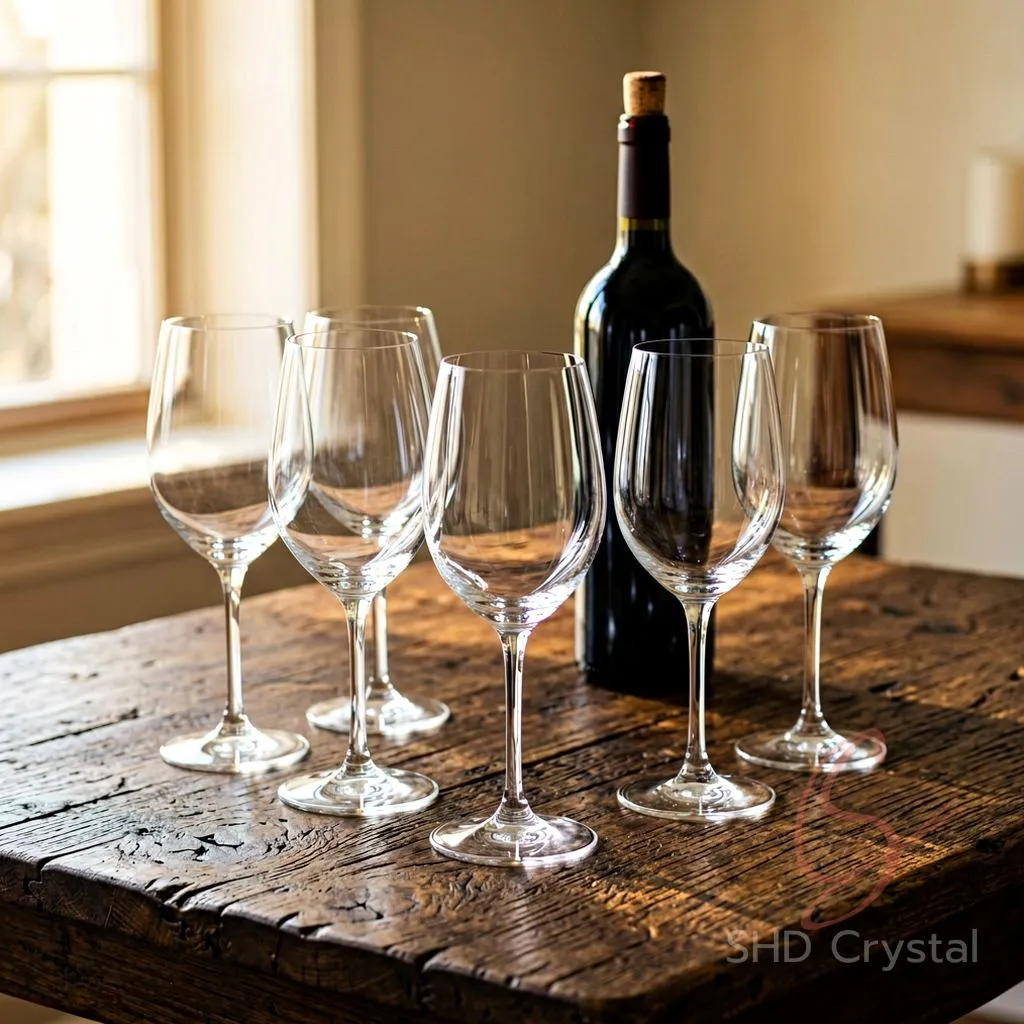
The glass type determines durability, cost, and visual appeal. Soda-lime glass works for casual event settings and promotional giveaways -- affordable and widely available, though it lacks thermal shock resistance. Borosilicate handles temperature changes better, making it practical for hot-fill applications. Lead-free crystal offers the clarity luxury brands expect, though it comes at a higher price point.
Soda-lime handles everyday use at the lowest cost, borosilicate absorbs thermal shock, and crystal offers the clarity luxury brands expect -- each material makes a different trade-off between cost, durability, and perceived value for engraved wine tumblers and other personalized drinkware.
Decoration Methods That Define Custom Wine Glasses
The customization method determines both cost and longevity. Screen printing handles large batches economically, but the ink sits on the surface and will show edge wear with repeated use. Acid etching creates a permanent frosted finish -- though achieving consistent opacity across curved wine bowls demands careful chemical control during the etching bath. Laser engraving delivers fine detail on small runs, ideal for intricate logos, but the per-unit cost rises quickly at scale. Sandblasting creates deeper texture with bold branding impact, though it carries a risk of micro-fractures on thin glass.
Decoration Method Comparison
Method | Best For | Main Risk |
Screen Printing | High volume, tight budgets | Surface ink wears with use |
Acid Etching | Large batches, premium look | Uneven opacity on curved surfaces |
Laser Engraving | Fine detail, small runs | Higher per-unit cost at scale |
Sandblasting | Deep texture, bold branding | Microfractures on thin glass |
Acid etching produces a smooth, uniform frosted finish ideal for large batches, while sandblasting creates deeper texture but carries a higher risk of micro-fractures on thin walls. In practice, the choice depends not just on budget but on how the finished product will be handled day to day.
What Procurement Teams Should Verify Before Ordering
Sourcing personalized wine cups involves more than selecting a decoration technique. Buyers should confirm minimum order quantities early -- most glass factories in China have MOQs that vary by decoration complexity.
A practical consideration is whether the supplier controls the full production chain -- blank forming, decoration, and packaging -- or uses subcontractors. Factories in the Boshan district of Shandong and parts of Hebei have established networks for both, but the quality handoff between stages is where defects tend to appear.
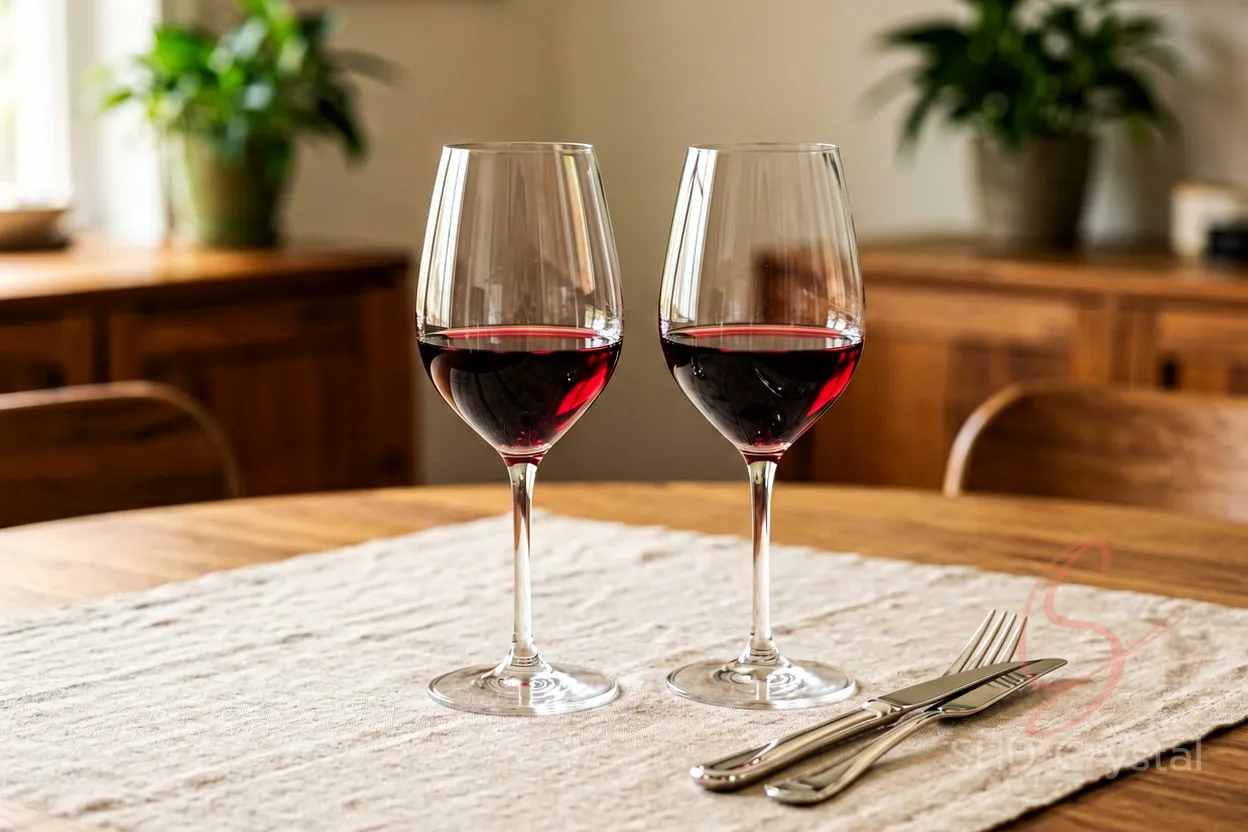
A hospitality group sourcing engraved wine tumblers for a hotel chain once received samples where the etching looked uniform under showroom lighting but turned patchy in direct sunlight -- the acid concentration had drifted during the batch. Experienced buyers request daylight-inspection protocols as standard practice.
Quality Inspection Details That Matter
Quality inspection for custom drinkware requires extra attention because defects are more visible on personalized pieces. A slight variation in wall thickness can throw off how an engraved logo sits, and poorly cured paint on screen-printed cups chips prematurely. Buyers should request AQL defect-tier standards before production begins.
Run your fingernail across an etched surface: a sharp, raised transition suggests the etching depth may be too aggressive. For screen-printed designs, a simple tape-pull test reveals whether the ink has properly bonded.
How to Evaluate a Supplier for Custom Wine Glasses
When evaluating a supplier for custom wine glasses, look for whether forming and decoration are handled in-house or through subcontractors, the minimum order quantity for custom work, and how they handle changeover time between different designs.
The better approach is usually to request a small trial order before committing to full production. It costs more per unit, but it reveals how the supplier handles communication, sample accuracy, and packaging.
FAQ
What Is the Typical MOQ for Personalized Wine Cups from Chinese Manufacturers?
Most glass factories in China set minimum order quantities for custom work that range from a few hundred to a few thousand pieces, depending on the decoration method and blank availability. Laser engraving tends to have lower MOQs than screen printing because there is no screen setup cost.
How Can I Distinguish Etching Quality from Printing on Engraved Wine Tumblers?
Etched designs have a slightly rough, frosted texture you can feel with a fingertip, while printed designs sit smooth on the glass surface. For long-term durability, etching generally outlasts printing -- screen-printed designs may show wear after frequent dishwasher cycles, while etched finishes can last the lifetime of the glass.
What Certifications Matter for Food-Contact Glassware?
Food-contact glassware should meet FDA (United States) or LFGB (European Union) standards for lead and cadmium migration limits. Reputable suppliers will provide test reports from accredited labs.
How Long Does Production Typically Take for Bulk Personalized Wine Cups?
Standard production timelines typically run three to five working weeks, depending on decoration complexity and order volume. Rush timelines are sometimes available but carry a premium -- buyers should verify that quality inspection steps are not being compressed.
Conclusion
Sourcing personalized wine cups is a balance between material quality, decoration durability, and supplier capability. The right choices depend on the intended use case, production volume, and how the finished product will hold up under real service conditions.
Working with an Experienced Glass Manufacturer
If you are interested in our glassware or related products,
please feel free to contact us.

