


Blogpost keywords: glass mugs bulk, glass mug supplier, custom glass mugs
Ordering glass mugs bulk means dealing with far more than unit pricing. Freight costs, pallet configurations, container loading efficiency, and MOQ negotiation all shape the final landed cost. A beverage brand sourcing for a multi-location rollout might negotiate a competitive factory price, only to watch margins erode once shipping damage and packaging failures enter the picture. For procurement teams, glass mugs bulk orders demand a systematic approach to supplier evaluation.
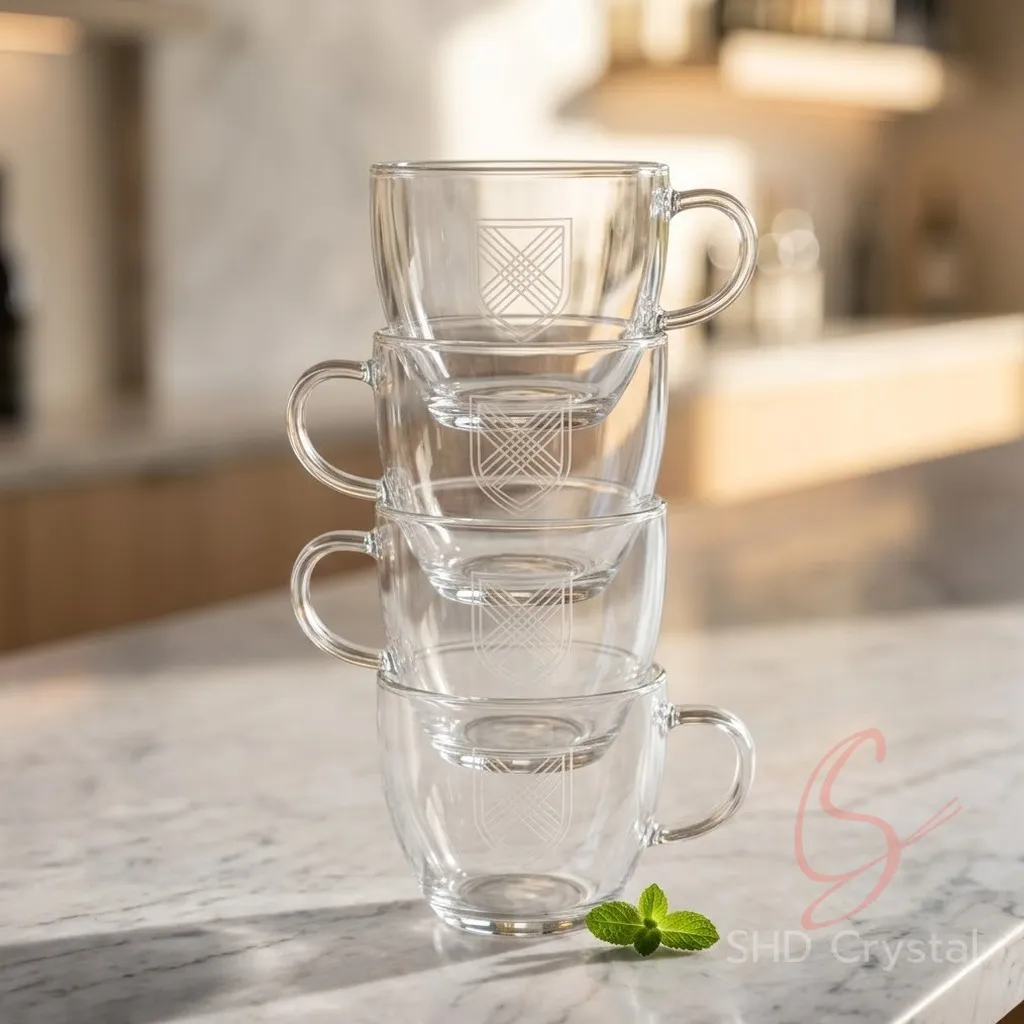
Why Sourcing Glass Mugs Bulk Demands More Than a Price Quote
A responsible procurement team evaluates the full supply chain before committing to a purchase order for glass mugs bulk. Packaging specs, freight consolidation, and lead times all influence whether custom glass mugs arrive intact and on schedule. The real question is not what the mugs cost per unit but what they cost delivered, inspected, and ready for use.
Shipping Method | Best For | Main Risk |
FCL (Full Container Load) | Large volume orders | Wasted space if order underfills container |
LCL (Less than Container Load) | Test orders, smaller batches | Higher per-unit freight; longer transit |
Palletized freight | Medium volume, regional distribution | Height restrictions; glass shifting in transit |
FCL works best when order volume justifies a 20-foot or 40-foot container. LCL suits buyers testing new product lines. Palletized freight occupies the middle ground for domestic distribution, combining flexibility with reasonable freight rates for regional orders.
Pallet Configurations and Container Loading
How a glass mug supplier packages and loads product determines whether it survives the journey. Choosing a glass mug supplier with in-house packaging control gives buyers more predictability. Standard practice uses inner cartons on pallets with corner protectors and stretch wrap, but execution varies widely. Exceeding the maximum pallet height allowed by the carrier can result in refused shipments or surcharges. A responsible glass mug supplier will provide packaging specifications before production begins.
Container loading is worth specifying in the RFQ. Factories with in-house packaging teams handle palletization consistently, while outsourcing that step produces uneven results. A glass mug supplier with integrated packaging gives procurement teams greater control over how product enters the container.
A standard 40-foot container holds roughly 20 to 24 pallets, but the count depends on Euro pallets versus standard US pallets.
MOQ Negotiation and Minimum Order Dynamics
Minimum order quantity glass mugs requirements vary significantly between factories. Some operations in Boshan or Hebei run high-volume IS machines optimized for large runs of custom glass mugs, while smaller workshops accommodate lower quantities. Understanding why the MOQ exists is the better approach before negotiating it down. For glass mugs bulk purchases, the MOQ discussion directly affects per-unit pricing.
MOQs reflect mold setup costs, line changeover, and raw material batches. A factory running a 6-cavity mold may set the minimum at several thousand units because producing fewer means running the mold for a fraction of its optimal cycle. Buyers pushing for lower quantities often face tooling fees or higher per-unit prices.
In practice, negotiation works best with a clear production schedule. A hospitality group sourcing custom glass mugs for a multi-property rollout might secure better terms through staggered deliveries rather than a single massive shipment.
Quality Inspection for Large Orders
When ordering glass mugs in bulk, defects multiply across thousands of units. AQL standards — commonly AQL 2.5 for critical defects and AQL 4.0 for minor — provide a framework for sampling. The receiving team should understand these thresholds before the shipment arrives. For glass mugs bulk orders, the cost of catching defects early far exceeds the expense of processing returns.
A common buyer mistake is relying solely on the factory's inspection report. Pull samples from different pallets and positions. Defects related to wall thickness, print alignment, or packaging integrity often cluster rather than distribute evenly across the shipment.
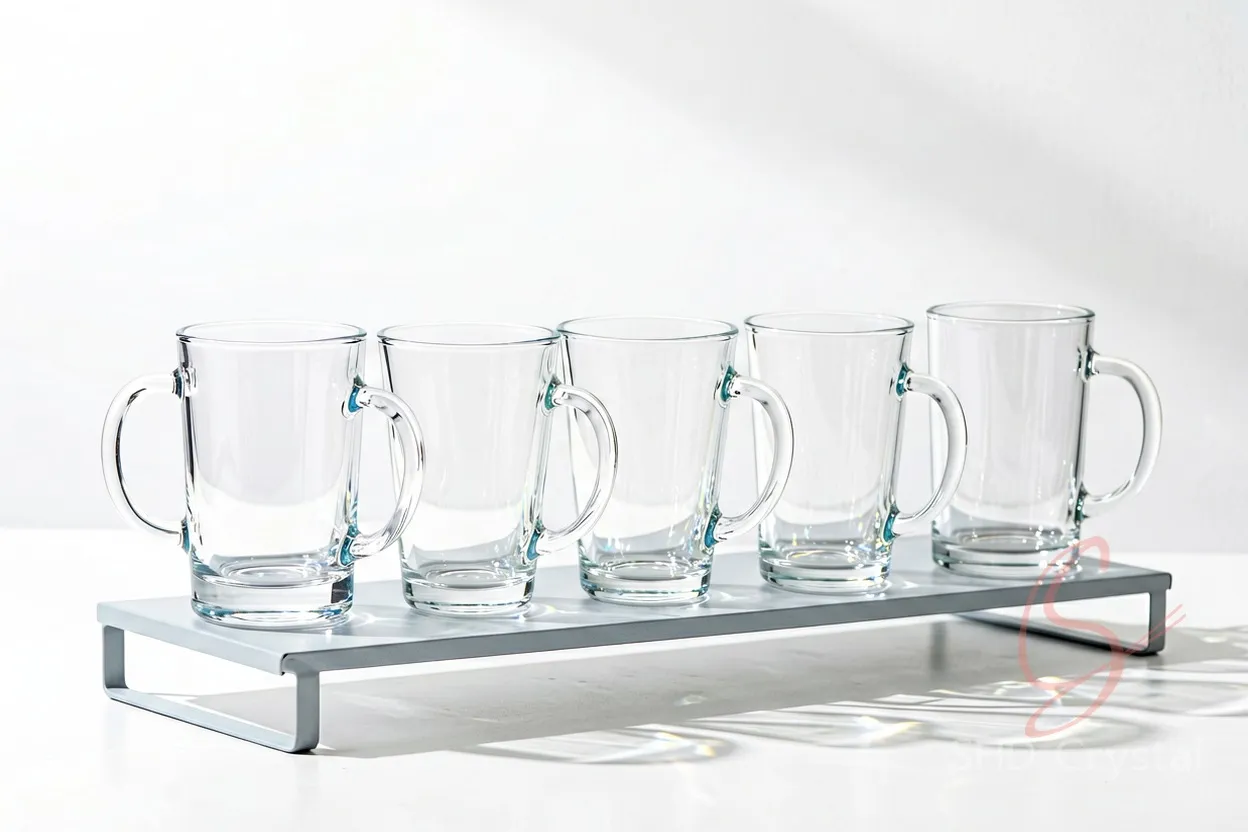
Lead Times and Production Scheduling
Custom glass mugs typically require 20 to 30 working days from production start to shipment. New tooling adds two to three weeks. Buyers should factor these timelines into launch schedules rather than assuming standard lead times apply universally.
Seasonal demand creates bottlenecks. Factories run at near capacity during peak periods, extending lead times. Placing orders well in advance — especially for glass mugs bulk purchases — is a smarter move than paying expedited premiums. Procurement teams that plan production windows early avoid the rush fees that cut into margins.
FAQ
What is the typical MOQ for glass mugs from Chinese manufacturers?
MOQ requirements range widely depending on equipment and production model. High-volume operations with IS machines may require several thousand units, while smaller workshops may accept one to two thousand.
How does pallet shipping compare to full container load for bulk orders?
Pallet shipping offers flexibility for medium-volume orders but carries higher per-unit freight costs. FCL becomes economical when order volume justifies filling a container.
What quality certifications should I look for when sourcing glass mugs?
Verify food-contact safety certifications for your target markets. FDA compliance is essential for US-bound orders. European markets typically require LFGB testing. A responsible glass mug supplier provides these documents proactively.
How do I ensure mugs arrive without damage during bulk shipping?
Detail packaging specifications in the purchase order — inner carton construction, divider thickness, pallet wrapping, and container bracing. Requesting packaging samples before a large order verifies that the factory's approach matches expectations.
Can I negotiate lower MOQs for glass mugs bulk purchases?
Negotiation depends on the factory's model and capacity. Buyers with flexible delivery schedules or future order commitment have more leverage. A trial order at standard pricing, with the option to increase volume based on quality, often works better than pushing for an immediate discount.
Conclusion
Securing the best outcome when sourcing glass mugs bulk requires attention to logistics, packaging, quality standards, and supplier negotiation — not just unit pricing. Procurement teams that evaluate full landed cost, specify packaging clearly, and build relationships with factories positioned to support their volume needs will outperform those focused solely on the lowest quote.
Partnering With the Right Glass Mug Supplier
If your procurement team is evaluating glass mugs bulk suppliers and needs guidance on logistics, packaging specifications, or MOQ negotiation strategies, SHD Crystal works with buyers across hospitality, retail, and promotional channels to match production capabilities with distribution requirements. Reaching out early helps ensure specifications, timelines, and quality expectations align before the first purchase order is placed.
If you are interested in our glassware or related products,
please feel free to contact us.

