


Blogpost keywords: glass can cup wholesale, wholesale can shaped glasses, bulk beer can glass cups
Sourcing glass can cup wholesale has become a priority for beverage brands, craft breweries, and cocktail bars looking to differentiate their drinkware lineup. The can-shaped glass — a tapered cylinder that mimics the silhouette of an aluminum can — has surged in popularity over the past few years, blending casual appeal with a premium feel that standard tumblers rarely achieve. For buyers evaluating bulk purchasing options, the challenge lies not in finding suppliers but in understanding the production nuances that separate reliable wholesale can shaped glasses from those that arrive with inconsistent wall thickness or poor rim finishing.
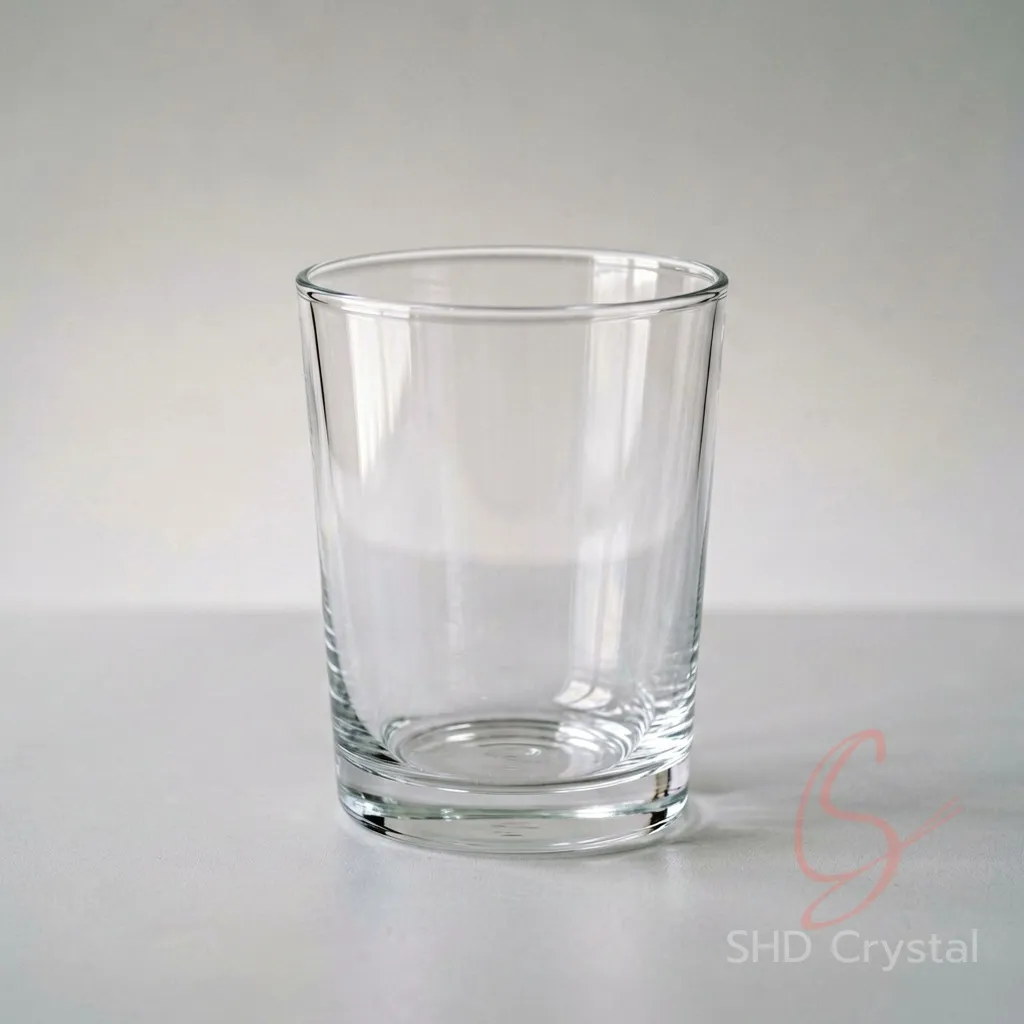
Why Glass Can Cup Wholesale Makes Strategic Sense
The can-shaped glass occupies a practical middle ground in the drinkware market. It carries the approachability of a beer can while offering the reusability and aesthetic weight of real glass. That combination appeals to venues that want their serving vessels to feel intentional rather than disposable.
Craft breweries, in particular, have gravitated toward this format. A 16 oz can glass showcases hazy IPAs and session ales without the formality of a tulip or the blandness of a standard pint glass. Cocktail bars use shorter variants — 12 oz and 10 oz — for spritzes, highballs, and frozen drinks where visual layering matters.
For procurement teams, the practical upside is straightforward. Ordering glass can cup wholesale in volume typically unlocks better per-unit pricing, consistent branding across locations, and the ability to specify custom embossing or print finishes. The trade-off is that minimum order quantities tend to be higher than with off-the-shelf alternatives, and lead times require planning weeks ahead of a launch or seasonal rollout. For buyers exploring glass can cup wholesale for the first time, the real question isn't price alone — it's whether the supplier can deliver consistency at scale.
Choosing the Right Styles for Your Market
Not all can-shaped glasses serve the same purpose. Material choice, wall thickness, and capacity affect how a glass performs in different settings.
Glass Type | Capacity & Style | Wholesale Consideration |
Soda-lime can glass | 12–16 oz, standard walls | Most cost-effective for large-volume orders; handles everyday bar use but may chip at the rim after extended commercial dishwashing |
Borosilicate can glass | 12–16 oz, thinner profile possible | Better thermal shock resistance; suitable for venues serving both cold and hot beverages, though the thinner profile may feel less substantial |
Crystal can glass | 10–14 oz, polished rim | Premium clarity and weight; ideal for upscale cocktail bars, but requires careful handling and carries a higher per-unit cost |
Soda-lime glass handles everyday use, borosilicate withstands thermal shock better, and crystal offers the clarity luxury brands expect — each material makes a different trade-off between cost, durability, and perceived value. Wholesale can shaped glasses in soda-lime dominate the craft beer segment for good reason: the price point supports high-turnover service environments where breakage is an expected cost of doing business. That said, a more useful question might be whether the venue's premium positioning justifies stepping up to borosilicate or crystal for the perceived upgrade.
Production Details That Separate Good Orders From Expensive Mistakes
Understanding how can cups are formed helps buyers spot quality issues before they become costly.
Most commercial can glasses are produced on IS (individual section) machines, where each cavity molds one glass from a gob of molten glass. The number of cavities per machine affects output speed, but it also introduces slight variation in wall thickness and weight across cavities. A weight drift of several grams over a production run isn't unusual, and a buyer's inspection team should flag pieces falling outside the agreed tolerance.
Can cup forming itself demands precision in the mold's interior profile. If the taper angle is off, the glass won't stack properly in storage or display racks — a problem that surfaces only after hundreds of units have been packed and shipped. Responsible factories run trial batches and measure stackability before committing to full production, though not every supplier invests that time.
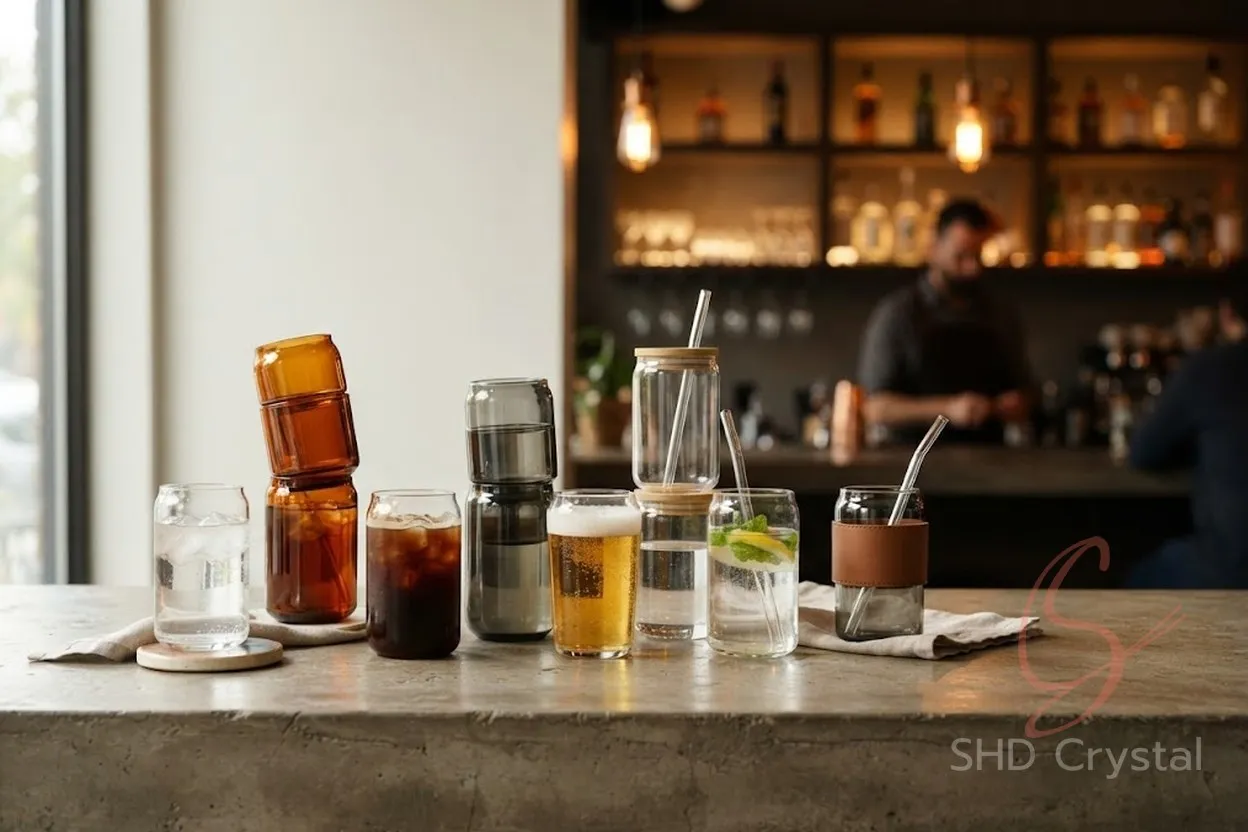
Wall thickness is another detail worth specifying when ordering bulk beer can glass cups. Thicker walls improve durability and thermal retention but add weight, which directly affects freight costs on large-volume orders. Thinner walls reduce weight and can feel more refined, but they're more vulnerable to chipping at the rim. In practice, the better approach is usually to request samples in both wall profiles and test them under the venue's actual dishwashing conditions before committing to a full order.
China's Glass Clusters and What They Mean for Your Order
China's glass manufacturing regions — particularly Boshan in Shandong and parts of Hebei — remain the dominant source for bulk drinkware orders. These areas have dense networks of forming factories, decoration specialists, and packaging suppliers, allowing buyers to source can cups with custom printing, embossing, or acid-etched finishes without coordinating across multiple countries.
A common production flow separates blank forming from decoration. The can-shaped blanks might be produced in one facility, then sent to a specialized workshop for screen printing, color application, or logo etching. This separation can affect quality consistency if communication between the two stages is loose. Buyers should ask whether the supplier controls the full production chain or relies on subcontractors for finishing work — the answer directly impacts timeline reliability and defect rates on their bulk beer can glass cups order.
Lead times for wholesale can shaped glasses typically run several weeks from order confirmation to shipment, depending on order size, customization requirements, and current production scheduling. Factories in Boshan often handle multiple large orders simultaneously, so confirming timelines early — and building buffer time into a launch schedule — is a smart move for any procurement team working toward a hard deadline.
FAQ
What is the typical MOQ for glass can cup wholesale orders?
MOQs vary by manufacturer and customization level. Standard printed designs may have lower minimums, while custom embossing or proprietary mold work typically requires larger commitments. Most factories in the Boshan region set minimums that balance production efficiency with buyer flexibility.
How do wholesale can shaped glasses compare to standard pint glasses in durability?
Can-shaped glasses with reinforced rims can perform comparably to standard pint glasses under commercial dishwashing conditions. The key variable is wall thickness and rim finishing — a well-made can glass with a fire-polished rim resists chipping as effectively as most standard bar glassware.
What quality certifications should I look for when sourcing in bulk?
Buyers should look for factories that follow AQL (Acceptable Quality Level) inspection standards and can provide documentation on food-contact material safety. Compliance with FDA or EU food-contact regulations is typically expected for drinkware sold in North America or Europe.
Can I order bulk beer can glass cups with custom branding?
Yes. Most Chinese manufacturers offer screen printing, decal application, and embossing as standard customization options. Acid etching and laser engraving are also available but may require longer lead times or higher minimum orders depending on design complexity.
Conclusion
Sourcing glass can cup wholesale requires more than comparing price sheets. Material choice, wall thickness specification, forming quality, and supply chain structure all influence whether the glasses arrive consistent, durable, and on schedule. Buyers who invest time understanding these production details — and who work with suppliers willing to discuss them openly — tend to land orders that hold up in real commercial settings rather than looking good only in sample photos.
Partner With SHD Glassware for Your Next Order
SHD Glassware works with buyers navigating the glass can cup wholesale market, from initial specification through final packaging. Whether you're sourcing wholesale can shaped glasses for a single taproom or bulk beer can glass cups for a multi-location brand, the team can help define the right materials, finishes, and order quantities. Reaching out early in the planning process usually saves both time and cost.
If you are interested in our glassware or related products,
please feel free to contact us.

