


Blogpost keywords: wholesale glass coffee mugs, bulk glass coffee cups, custom printed coffee mugs
Buying wholesale glass coffee mugs in volume is one of the most cost-effective moves a retailer or café owner can make, but only if you know what to look for. The difference between a reliable supplier and a costly mistake often comes down to material quality, minimum order flexibility, and whether the vendor can handle custom printed coffee mugs without cutting corners. This buyer's checklist covers the specifications, supplier vetting steps, and procurement details you need before placing a bulk order.
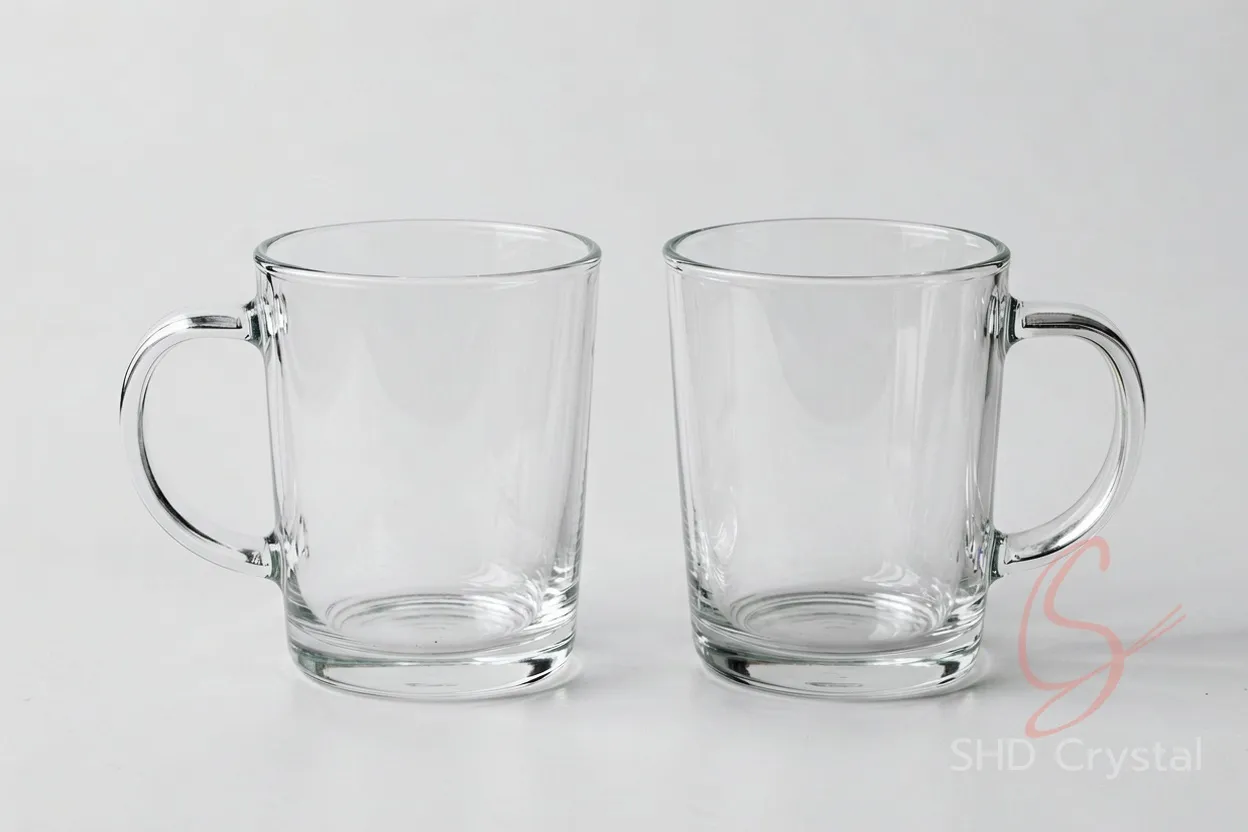
What to Know Before You Buy Wholesale Glass Coffee Mugs
Before placing a bulk order, clarify three core specifications: glass type, wall thickness, and capacity. Borosilicate glass handles thermal shock better than soda-lime, which matters if your customers pour hot coffee directly into the mug—thermal stress fractures are the leading cause of premature breakage in coffee service. Wall thickness between 2.5mm and 3.5mm strikes the right balance between durability and handling weight. Capacity—typically ranging from 10 oz to 16 oz—should match your target market, whether you're supplying office breakrooms or specialty cafés.
A key professional judgment call: don't assume all "tempered" glass meets the same standard. Request impact resistance test data and confirm whether the supplier tests per ASTM or EN standards before committing to any order. The testing protocol often reveals more about quality than any marketing claim.
Comparing Glass Types for Coffee Service
Not every glass type performs the same under daily commercial use. Here's a practical comparison:
Glass Type | Durability Rating | Ideal Application |
Borosilicate | High | Hot coffee, premium service |
Soda-Lime | Moderate | Cold beverages, promotional giveaways |
Tempered | Very High | High-traffic cafés, restaurants |
For hot beverage service, borosilicate wholesale glass coffee mugs are the safer bet due to their superior thermal resistance. Tempered glass works best in high-traffic environments where physical impact and breakage are constant concerns. Soda-lime serves budget-conscious buyers who need bulk glass coffee cups for cold beverages, room-temperature service, or promotional giveaways where unit cost is the primary driver.
One thing worth noting: mixing glass types in a single order can complicate quality control. If you're ordering for different use cases, request separate production runs with distinct quality inspections for each.
Custom Printed Coffee Mugs: What Affects Quality
The printing method on custom printed coffee mugs matters more than most buyers realize. Silk screening produces bold, opaque colors and works well for simple logos, but it wears faster under repeated washing—typically showing visible fading after 200 to 300 cycles. UV printing offers sharper detail and better longevity on glass surfaces, making it ideal for intricate designs or full-color branding. Decal application remains common for short production runs, but without proper kiln curing, it can peel or crack after just a few wash cycles.
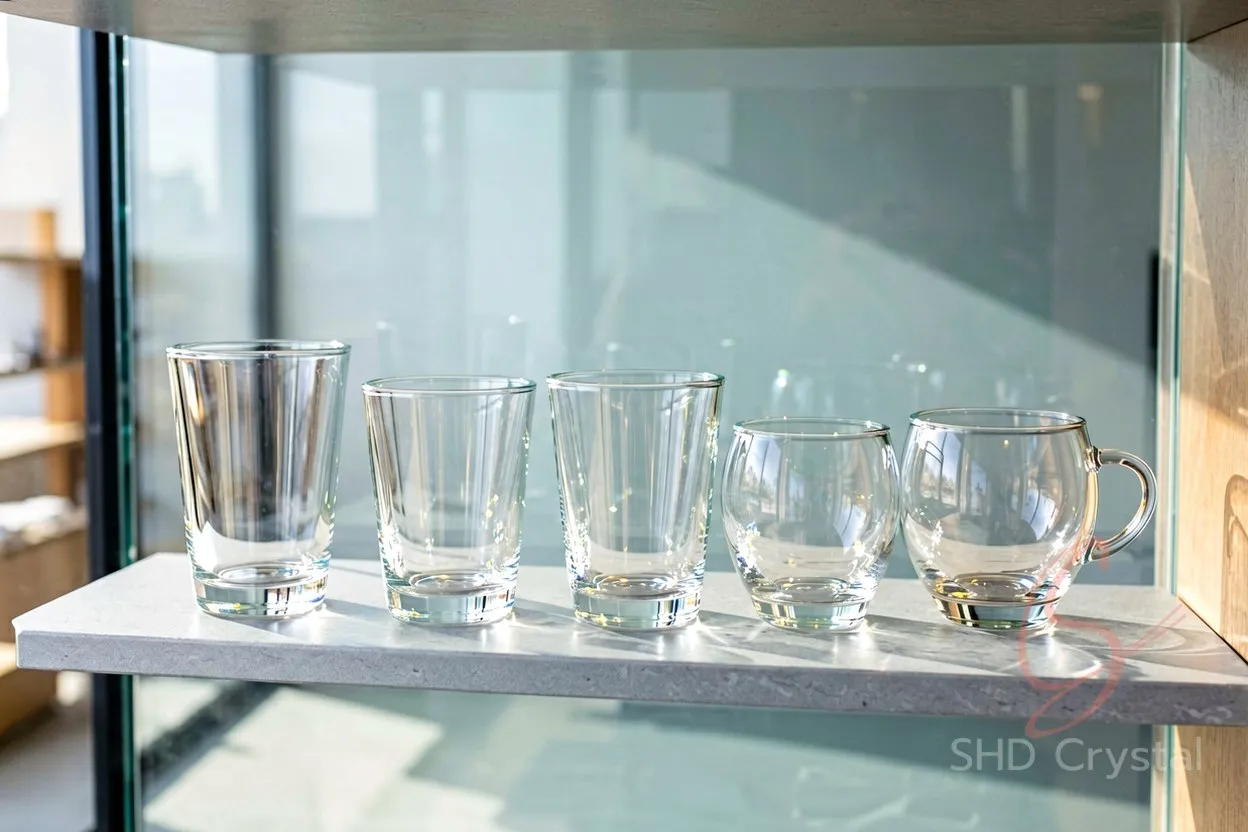
A Real-World Procurement Lesson
A regional coffee chain once ordered 500 branded mugs featuring their new logo, only to discover the ink was flaking after three dishwasher cycles. The root cause: the supplier had skipped the curing step to reduce production costs. Always verify the curing process upfront and request a sample wash test before committing to a full production run.
How to Vet a Supplier Before You Commit
Sourcing glass coffee mugs from China's manufacturing hubs—primarily in Hebei, Shandong, and Guangdong provinces—requires careful due diligence. Quality standards vary widely between factories, even within the same region. Hebei is known for high-volume borosilicate production, while Shandong specializes in tempered glassware. These regional strengths help you match product requirements to the right sourcing area.
Here's a practical checklist for evaluating potential suppliers:
1. Request physical product samples before placing any bulk order. 2. Ask for FDA, LFGB, and ISO 9001 certifications to confirm food-contact safety. 3. Check minimum order quantities (MOQs)—typical ranges fall between 500 and 1,000 units for standard items. 4. Clarify production lead times: standard orders run 25 to 35 days; custom orders may add 5 to 10 days for printing and curing. 5. Negotiate payment terms: a 30% deposit with the balance payable against shipment documents is standard practice.
SHD Glassware operates as an independent sourcing partner rather than a manufacturer, which means they can verify quality claims and factory conditions on your behalf before you commit.
FAQ
What is the typical MOQ for glass coffee mugs?
Most suppliers require a minimum of 500 to 1,000 units per order. Customization may require higher minimums depending on the printing method and color count.
How do I verify the glass is food-safe?
Request FDA or LFGB certification documentation from the supplier. Reputable manufacturers provide this without hesitation.
What's the difference between borosilicate and tempered glass?
Borosilicate resists thermal shock, making it ideal for hot coffee service. Tempered glass offers superior impact resistance, making it better suited for high-traffic commercial environments.
Can I order samples before committing to a bulk purchase?
Yes—most suppliers offer sample runs at a nominal cost, or free for qualified buyers with verified business credentials.
Conclusion
Sourcing glass coffee mugs isn't just about finding the lowest unit price—it's about balancing material quality, supplier reliability, and production flexibility. Whether you're ordering bulk glass coffee cups for a restaurant chain or sourcing branded mugs for a retail line, the checklist above gives you a structured framework to evaluate suppliers and make confident procurement decisions.
Ready to Source Wholesale Glass Coffee Mugs?
Looking for a sourcing partner to navigate the bulk glass coffee cups market? SHD Glassware works with vetted factories across China's glass manufacturing regions, handling quality verification, sample coordination, and logistics. Request a quote today to discuss custom printed coffee mugs or standard wholesale glass coffee mugs for your next order.
Conclusion
Sourcing glass coffee mugs isn't just about finding the lowest unit price—it's about balancing material quality, supplier reliability, and production flexibility. Whether you're ordering bulk glass coffee cups for a restaurant chain or sourcing branded mugs for a retail line, the checklist above gives you a structured framework to evaluate suppliers and make confident procurement decisions.
If you are interested in our glassware or related products,
please feel free to contact us.

