


Blogpost keywords: wholesale beer glass cups, bulk beer mugs, wholesale bar drinkware
Wholesale beer glass cups form the backbone of drinkware inventory for bars, breweries, and hospitality venues. The right combination of glass type, capacity, and durability directly affects both customer experience and operational costs. Understanding the options available helps procurement teams make decisions that balance quality with budget requirements.
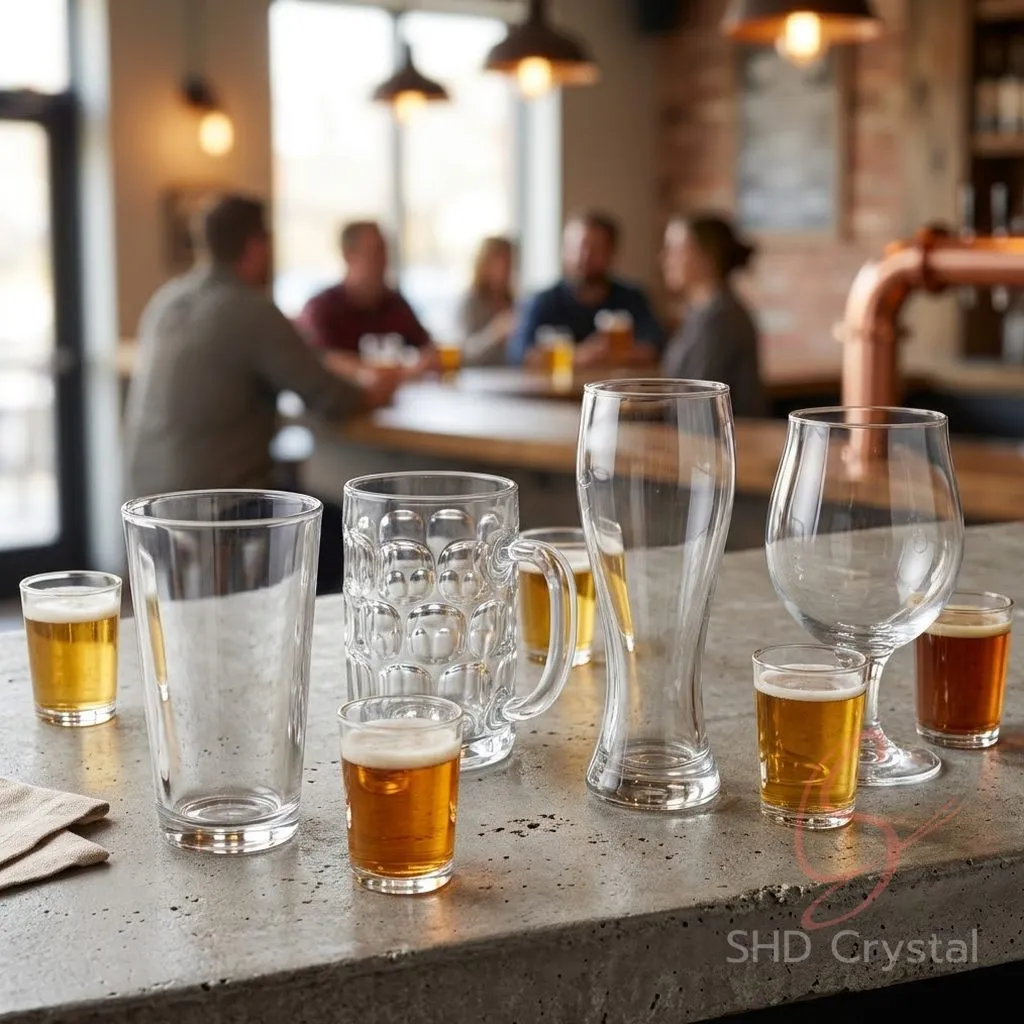
Beer Glass Types and Their Applications
Beer glass cups come in several distinct styles, each designed to enhance specific beer types and drinking experiences. The pint glass (shaker) remains the most common for general service. The weizen glass accommodates wheat beers with room for foam. The mug offers durability for high-traffic venues. The tulip glass concentrates aromas for specialty beers.
Glass Type | Best For | Volume Range |
Pint glass (shaker) | General beer service, high-volume venues | 12-16 oz |
Weizen glass | Wheat beers, Belgian styles | 16-20 oz |
Beer mug | Heavy use, outdoor venues, German-style service | 16-32 oz |
Tulip glass | Specialty beers, aroma-focused styles | 12-16 oz |
For most wholesale beer glass cups orders, the pint glass offers the best versatility. It fits standard bar infrastructure, stacks efficiently, and suits the majority of beer styles. Venues with a specific focus — a German beer hall, a Belgian specialty bar — may prioritise glass types that match their theme.
Glass Material and Durability
Soda-lime glass dominates the wholesale beer glass cups market due to its balance of clarity, cost, and durability. It handles commercial dishwasher cycles adequately and resists chipping under normal handling. For high-traffic venues, tempered soda-lime glass offers improved break resistance.
Tempered glass undergoes a thermal treatment that increases its strength by four to five times compared to standard soda-lime. The additional cost is justified for venues where breakage rates affect operational budgets. A bar serving 500+ covers nightly will recoup the premium through reduced replacement costs within months.
Wall Thickness and Weight Considerations
Wall thickness affects both durability and customer experience. Thicker walls (3.0+ mm) improve break resistance and thermal insulation but add weight. Thinner walls (2.0-2.5 mm) offer a more refined appearance and lighter feel but require more careful handling.
In practice, the better approach is usually to match wall thickness to your venue's specific conditions. High-traffic bars benefit from thicker walls that withstand rough handling. Upscale restaurants may prefer thinner walls that communicate refinement. Many suppliers offer the same glass style in multiple wall thickness options.
Customisation for Wholesale Orders
Wholesale beer glass cups support several customisation methods for branding. Screen printing remains the most popular for large orders, offering bold, opaque logos at competitive per-unit costs. Laser engraving provides a more permanent mark that survives indefinitely. Acid etching creates a frosted effect suitable for premium positioning.
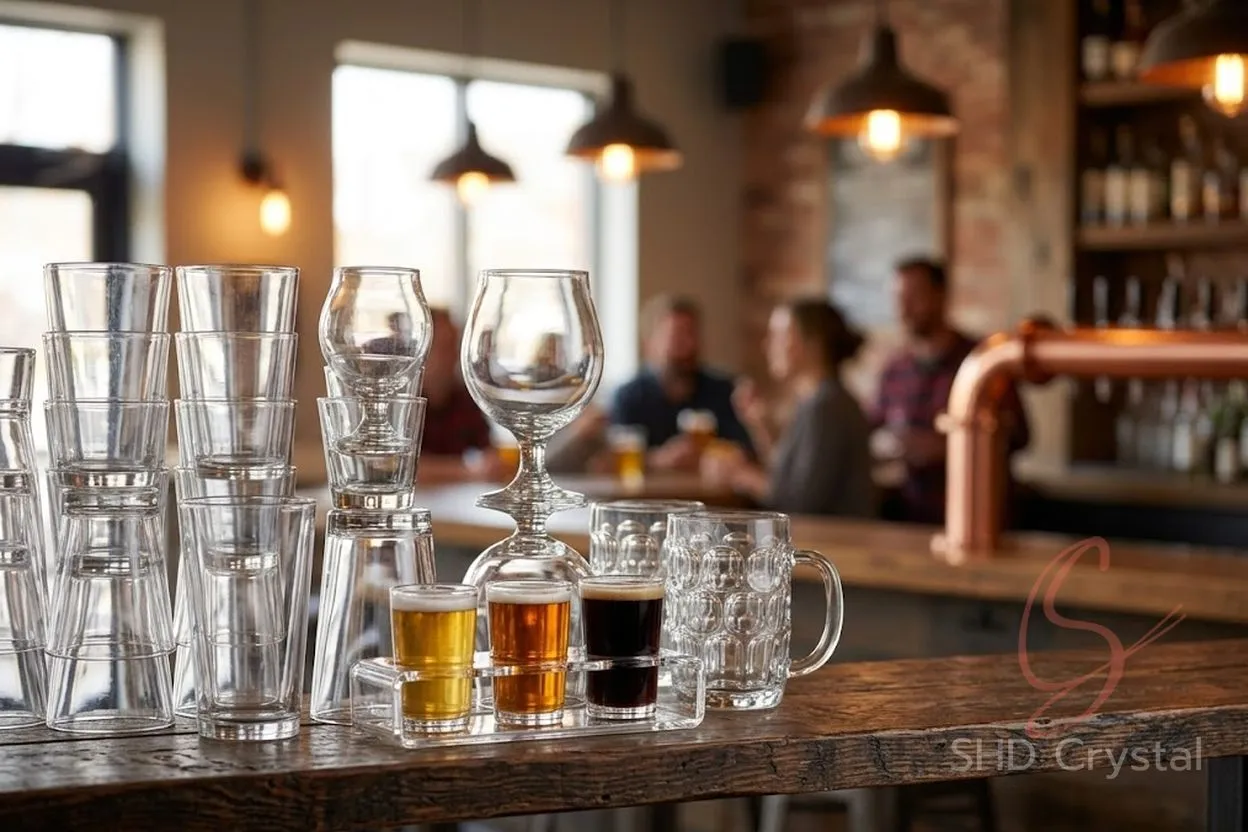
For branded wholesale beer glass cups, the decoration method should match both your budget and durability requirements. Screen printing is cost-effective but may show wear after extended commercial use. Laser engraving costs more upfront but eliminates replacement concerns related to logo fading.
Sourcing from China
Chinese glass manufacturers in Hebei and Shandong provinces produce the majority of wholesale beer glass cups. The Boshan district in Shandong has a particularly strong reputation for quality and volume capacity. When sourcing wholesale beer glass cups, verify that the supplier can demonstrate consistent quality across large production batches and provide AQL inspection results.
FAQ
What is the typical MOQ for wholesale beer glass cups?
MOQs vary by supplier and glass type. Standard pint glasses often have MOQs as low as 500 pieces. Custom shapes or heavy branding may require 1,000+ pieces.
How do I prevent beer glasses from chipping?
Thicker walls (3.0+ mm) and tempered glass significantly reduce chipping. Proper stacking racks and commercial-grade dishwashers also help. Avoid overloading glass racks during washing.
Can I order different glass types in a single wholesale order?
Many suppliers accommodate mixed orders, but MOQs may apply per glass type. Discuss your requirements with the supplier to find the most cost-effective arrangement.
Conclusion
Wholesale beer glass cups represent a foundational investment for bars, breweries, and hospitality venues. The key decisions — selecting the right glass type, choosing appropriate wall thickness, and matching customisation to your branding needs — all affect both customer experience and operational efficiency. By partnering with quality-focused suppliers and verifying samples before committing, procurement teams can confidently order wholesale beer glass cups that meet performance and budget expectations.
Starting Your Wholesale Order
Define your glass type preference, capacity requirements, wall thickness needs, and customisation specifications before requesting quotes. SHD Glassware offers sample units to help buyers evaluate quality. Comparing samples from qualified suppliers confirms that your wholesale beer glass cups meet operational requirements.
If you are interested in our glassware or related products,
please feel free to contact us.

