


Blogpost keywords: wholesale glass cup with bamboo lid, bamboo lid glassware, eco-friendly drinkware wholesale
Wholesale glass cups with bamboo lids have emerged as a popular choice for environmentally conscious brands and consumers. The combination of clear glass and natural bamboo creates an aesthetic that communicates sustainability without sacrificing functionality. For procurement teams, sourcing these products involves understanding material compatibility, lid fit standards, and the unique considerations of combining glass with organic materials.
Why Bamboo Lids Are Gaining Market Share
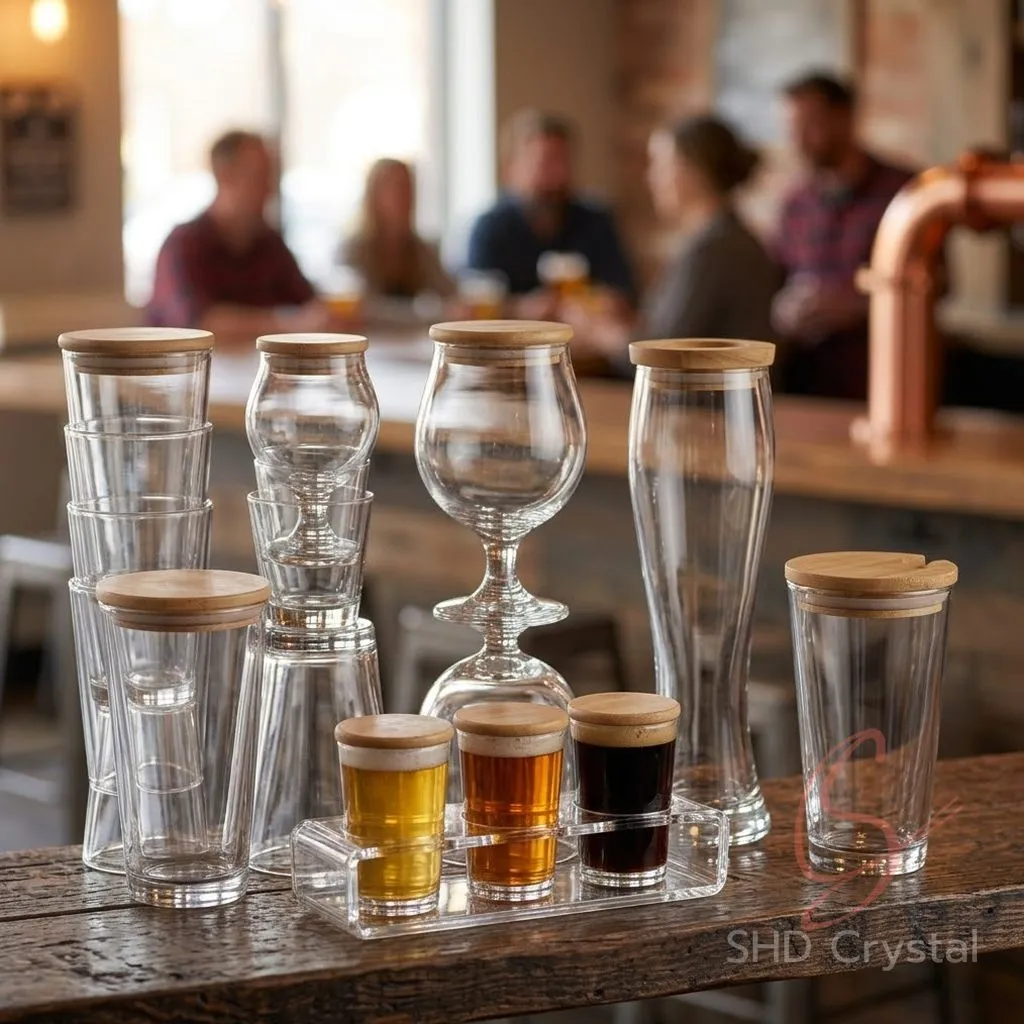
Bamboo lids address a growing consumer demand for plastic-free drinkware options. Unlike silicone or plastic lids, bamboo offers a natural aesthetic that aligns with eco-friendly branding. The material is renewable, biodegradable, and provides adequate sealing for everyday use. For wholesale glass cups with bamboo lids, the lid serves both functional and marketing purposes — it keeps beverages contained while reinforcing the sustainability message.
The market for bamboo-lidded drinkware has expanded beyond specialty eco-stores. Corporate gifting programs, hotel amenity packages, and retail gift sets all increasingly feature this combination. The visual appeal of natural bamboo against clear glass photographs well, making these products popular for social media-friendly branding.
Glass and Bamboo Compatibility
Component | Specification | Why It Matters |
Glass type | Soda-lime or borosilicate | Borosilicate offers thermal shock resistance for hot beverages |
Wall thickness | 3.0 mm minimum | Thicker walls improve durability and provide better lid seal support |
Lid thickness | 8-12 mm bamboo | Thicker lids resist cracking and provide better insulation |
Silicone ring | Food-grade silicone | Creates waterproof seal between glass rim and bamboo lid |
The interface between glass and bamboo requires careful engineering. A food-grade silicone ring typically sits in a groove on the bamboo lid's underside, creating a seal against the glass rim. The glass rim must be smooth and consistent for the seal to work reliably. Uneven rim finishing — a common issue in lower-quality glassware — causes leaks and customer complaints.
Quality Control for Bamboo Lid Glassware
Quality inspection for wholesale glass cups with bamboo lids involves two distinct checklists: glass quality and bamboo quality. For glass, check wall uniformity, rim smoothness, and clarity. For bamboo, verify that the lid fits securely without excessive force, the silicone ring is properly seated, and the bamboo surface is smooth with no splinters or rough spots.
Bamboo quality varies significantly between suppliers. Premium lids use Moso bamboo that has been properly dried and treated to resist moisture absorption. Lower-quality bamboo may warp or develop mold in humid environments. Request information about the bamboo treatment process and moisture content specifications before committing to an order.
Customisation Options
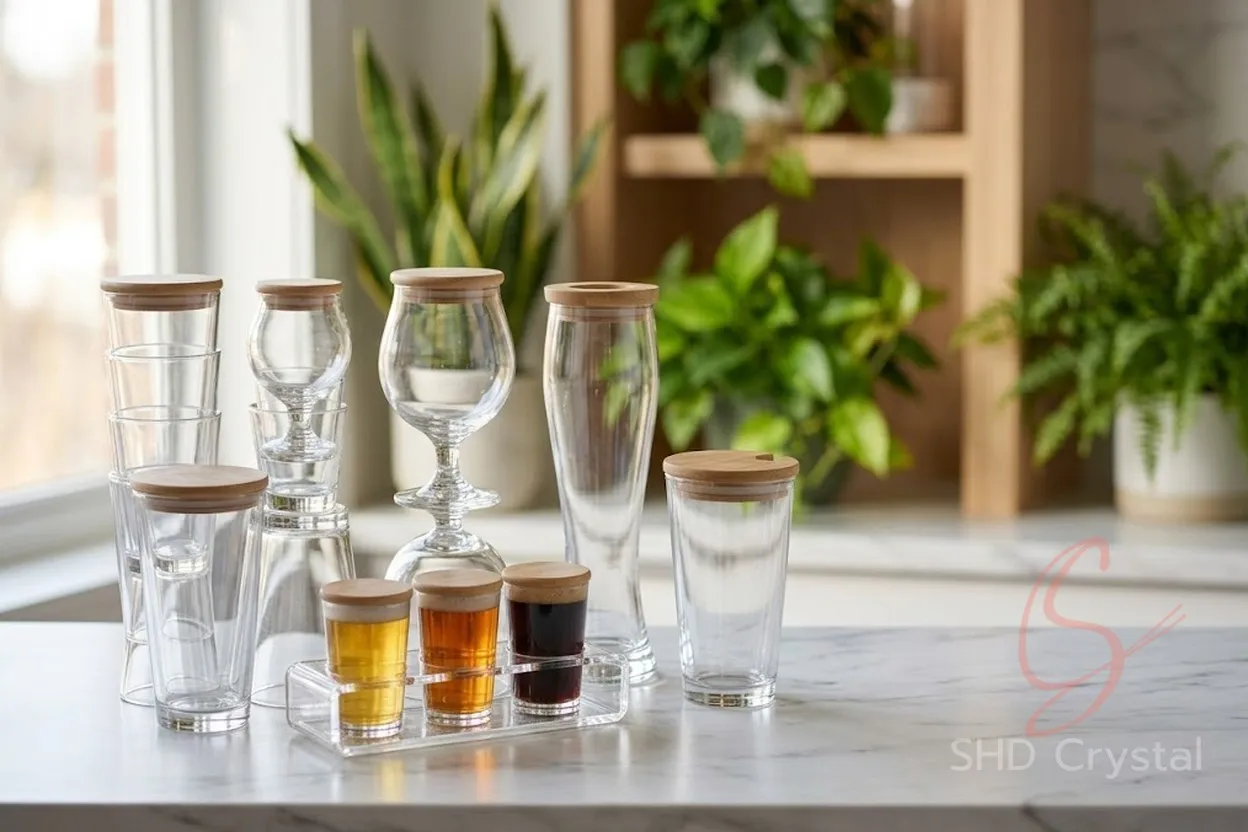
Wholesale glass cups with bamboo lids support several customisation methods. Screen printing on the glass body remains the most common, allowing brand logos and designs. Laser engraving on the bamboo lid itself is increasingly popular — it creates a subtle, premium mark that reinforces the natural aesthetic. Some suppliers also offer UV printing directly on the bamboo surface for full-color designs.
China Supply Chain Considerations
Chinese manufacturers in Shandong and Hebei provinces produce the majority of glass components, while bamboo lids are often sourced from Zhejiang or Fujian provinces where bamboo processing is concentrated. When ordering wholesale glass cups with bamboo lids, verify that both components meet your quality standards and that the assembly process — fitting lids to glasses — is performed under quality control.
FAQ
Are bamboo lids dishwasher safe?
Bamboo lids should be hand-washed only. The natural material can crack or warp in dishwashers due to high temperatures and prolonged moisture exposure. The glass component is typically dishwasher safe.
What is the typical MOQ for wholesale glass cups with bamboo lids?
MOQs vary by supplier but typically range from 500-1,000 pieces. Custom bamboo lid engraving may require higher minimums due to stencil or setup costs.
How do I prevent bamboo lids from warping?
Properly treated bamboo with controlled moisture content resists warping. Ask suppliers about their bamboo treatment process and request samples that have been exposed to humidity testing.
Conclusion
Wholesale glass cups with bamboo lids offer a compelling combination of functionality and sustainability messaging. The key sourcing considerations — glass quality, bamboo treatment, lid fit, and assembly quality — all affect the final product's performance and customer satisfaction. By verifying both glass and bamboo quality at the sample stage and partnering with suppliers who control the assembly process, procurement teams can confidently order bamboo-lidded glassware that meets quality and brand expectations.
Sourcing Your Bamboo Lid Glassware
Before requesting quotes, specify your glass type, lid fit requirements, customisation needs, and bamboo treatment expectations. SHD Glassware works with qualified bamboo lid suppliers to deliver complete glass-and-lid packages. Requesting samples of both glass and assembled products confirms that the combination meets your quality standards.
If you are interested in our glassware or related products,
please feel free to contact us.

