


Blogpost keywords: 2 oz shot glass bulk, wholesale shot glasses, custom mini shot glasses
Buying 2 oz shot glass bulk is one of those orders that looks simple on a purchase order but quickly reveals hidden complexity once the RFQ goes out. From material selection to packaging for ocean freight, every variable shapes unit cost, defect risk, and whether the shipment arrives intact.
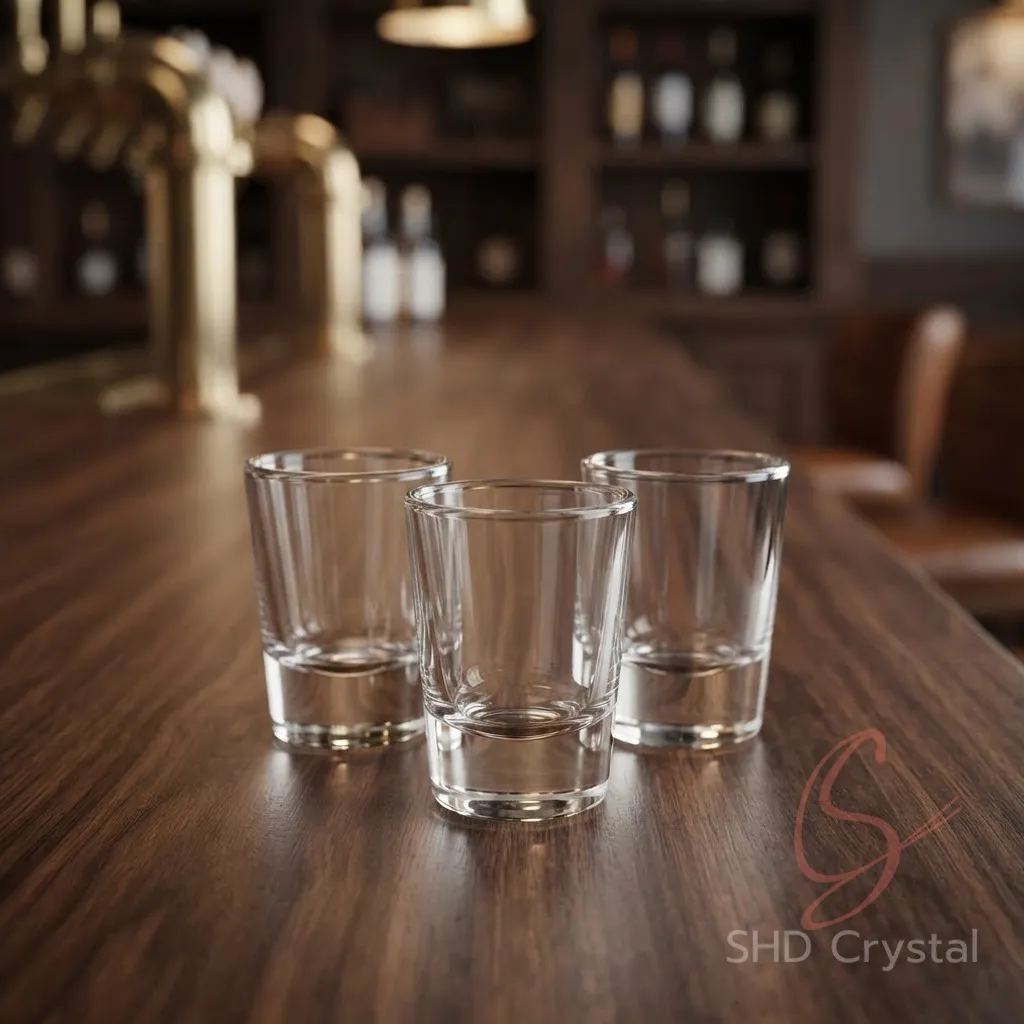
Why 2 Oz Shot Glass Bulk Orders Demand Closer Attention
A small format does not mean small stakes. At high volume, even minor inconsistencies in wall thickness or base flatness multiply across the batch. A procurement team that underestimates the 2 oz size often discovers too late that the smaller cavity count on an IS machine means tighter tolerances are needed to keep every piece uniform.
Bars, distilleries, event planners, and promotional product distributors all source shot glasses in quantity, but their quality thresholds differ. A hospitality group ordering custom mini shot glasses for a branded tasting event will reject pieces that a budget event buyer would accept without hesitation.
Material Choices: Where Cost and Durability Diverge
Three materials dominate the wholesale shot glasses market, and each makes a distinct trade-off between price, clarity, and resilience. For buyers placing wholesale shot glasses orders at scale, material selection drives both unit cost and long-term durability.
Material | Best Fit | Key Trade-Off |
Soda-Lime Glass | High-volume bars, promotional giveaways, event favors | Lowest unit cost but more susceptible to thermal shock and chipping |
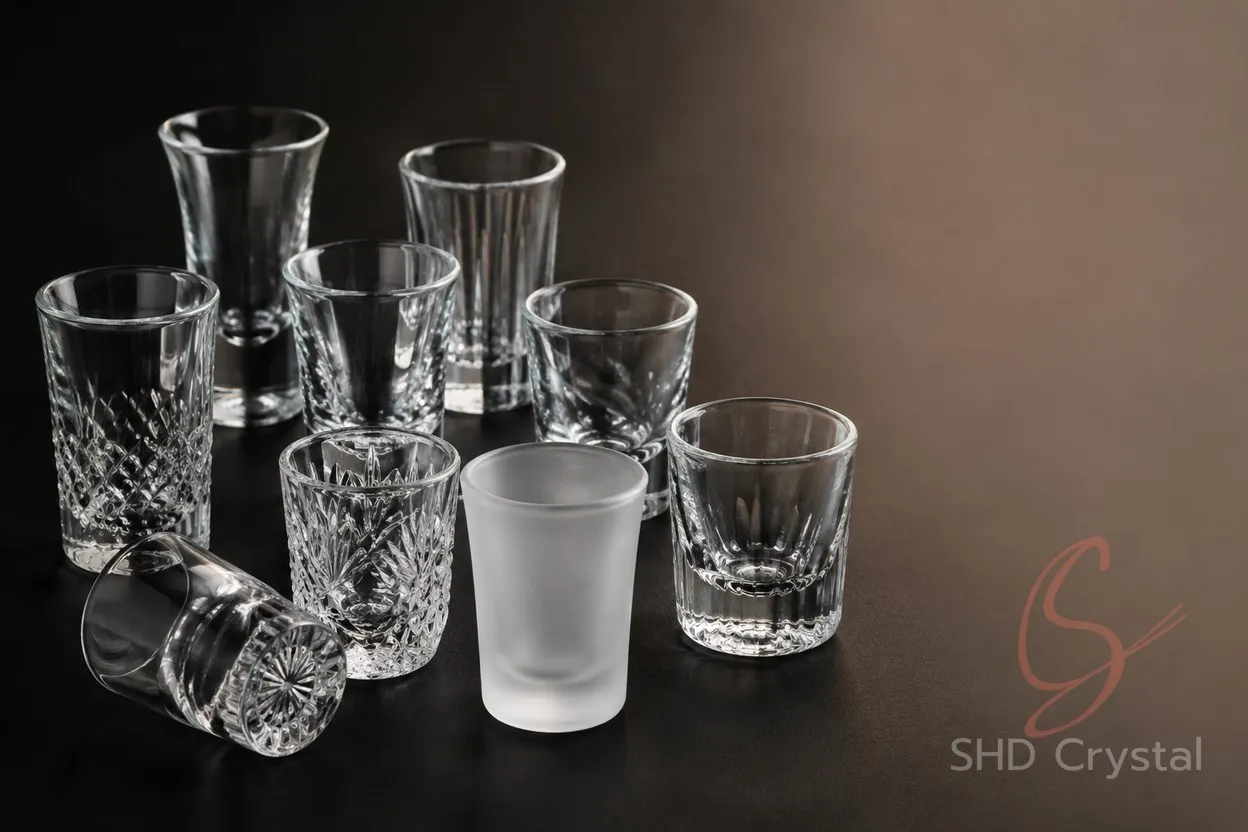
Crystal Glass | Premium spirit brands, luxury hospitality, gift sets | Superior brilliance and weight feel, but higher price point and requires careful handling |
Borosilicate Glass | Outdoor venues, lab-adjacent uses, premium tasting rooms | Excellent thermal resistance and durability, but limited supplier availability at scale |
Soda-lime glass handles everyday bar use without complaint. Borosilicate withstands rapid temperature shifts that would crack standard glass. Crystal offers the clarity and heft that luxury brands expect. The better approach is usually to match material to the end use rather than defaulting to the cheapest option.
A practical consideration is that crystal shot glasses show fingerprints and water spots more readily than soda-lime, which matters if the glasses are meant for self-service stations where staff cannot wipe each piece between pours.
Quality Control: What to Inspect Before You Commit
When sourcing 2 oz shot glass bulk orders, inspecting samples is non-negotiable. Most responsible suppliers will send pre-production samples, but the real question is what to check once they arrive.
Visual and Dimensional Checks
Run your fingernail across the rim — a sharp or uneven edge signals poor fire polishing. Check the base for chips, rough seams, or visible mold lines that could cause wobbling. Hold pieces up to light to spot bubbles, inclusions, or color variations that indicate inconsistent glass composition.
Packaging and Shipping
Packaging standards matter more for shot glasses than for larger drinkware because the small size makes them prone to shifting inside cartons. Standard bulk packaging typically uses individual poly bags with cardboard dividers, while premium custom mini shot glasses may include branded gift boxes. For international shipments, proper palletization and inner carton reinforcement reduce breakage during handling.
Customization: Balancing Brand Impact Against Lead Time
Custom mini shot glasses are popular for distillery tasting rooms, corporate events, and promotional campaigns. Common decoration methods include acid etching, screen printing, and laser engraving — each making a different trade-off between finish quality, durability, and per-unit cost.
Acid etching produces a smooth, frosted finish that feels premium but requires careful chemical concentration control. Screen printing is faster and more cost-effective for large runs but shows edge wear well before etched glass needs replacement. Laser engraving offers fine detail for small batches, though per-unit cost climbs at scale.
In practice, production timelines for decorated orders typically run three to five weeks from artwork approval to ship date, depending on the factory’s current workload and whether decoration is handled in-house or outsourced. Buyers should factor setup fees into the per-unit cost calculation — these apply regardless of order size.
Working With Suppliers: What a Quote Does Not Tell You
A unit price on a spec sheet rarely tells the whole story. Smart procurement teams ask about defect rates under AQL 2.5 or AQL 4.0 sampling, inquire about cavity count on the forming machine, and clarify whether the quoted price includes decoration, packaging, and inland freight to the port.
A beverage brand preparing for a product launch once compared three suppliers for 5,000 branded shot glasses. The lowest quote excluded decoration setup fees and export cartons — by the time those line items were added, the total landed cost exceeded the mid-tier supplier by a notable margin.
Chinese glass factories in Hebei and the Boshan district of Shandong are common sourcing points for shot glass production. A factory that controls the full chain — blank forming, decoration, and packaging — typically offers tighter timeline control than one that outsources decoration to a separate workshop. This distinction directly affects consistency and lead time reliability for wholesale shot glasses orders.
When evaluating suppliers, request physical samples before committing to a large order. Examine the weight, clarity, and finish. Ask for the supplier’s standard quality control process and defect rate history. Clarify all costs upfront — shipping, packaging, and customization fees are not always included in the initial quote.
FAQ
What is the typical MOQ for 2 oz shot glass bulk orders from Chinese manufacturers?
Minimum order quantities vary by factory, but most suppliers set MOQs in the low hundreds for standard pieces. Custom designs with new molds may require higher minimums to cover tooling costs. Buyers with smaller needs should ask about stock molds.
Which material is most popular for wholesale shot glasses?
Soda-lime glass remains the most commonly ordered material for bulk shot glasses due to its balance of cost and durability. Crystal is the second choice for premium applications, while borosilicate serves niche markets requiring thermal resistance.
How long does customization typically take for custom mini shot glasses?
From artwork approval to finished goods, expect roughly three to five weeks. This includes production of the base glass, decoration, quality inspection, and packaging. New mold development may add additional time.
What quality certifications should buyers look for?
ISO 9001 certification indicates a documented quality management system. FDA compliance is relevant for food-contact glassware destined for the U.S. market. Buyers should also ask about the supplier’s internal AQL standards and whether they provide inspection reports with each shipment.
Conclusion
Sourcing 2 oz shot glass bulk orders successfully comes down to understanding material trade-offs, verifying quality before committing, and working with suppliers who offer transparent pricing. The small format rewards careful planning — buyers who invest in sample evaluation and clear specifications up front avoid the costly rework and delays that plague rushed procurement.
Ready to Source With Confidence
For buyers evaluating 2 oz shot glass bulk suppliers, SHD Glassware works with procurement teams across hospitality, spirits, and promotional industries to match material, decoration, and packaging specifications to each project’s requirements. Request a sample kit or submit an RFQ to explore options.
If you are interested in our glassware or related products,
please feel free to contact us.

