


Blogpost keywords: custom tasting cups, wholesale tasting glasses, custom glass samplers
What Makes Custom Tasting Cups Different from Standard Barware
Standard barware arrives with a uniform finish and no branding. custom tasting cups, by contrast, carry a specific decorative identity — etched logos, color-tinted bowls, embossed bases, or laser-marked rims — that must survive repeated dish cycles without peeling or fading. The distinction matters at scale. A brewery ordering 200 branded samplers for a taproom opening has different constraints than a hotel chain procuring 10,000 units for a continental breakfast rollout.
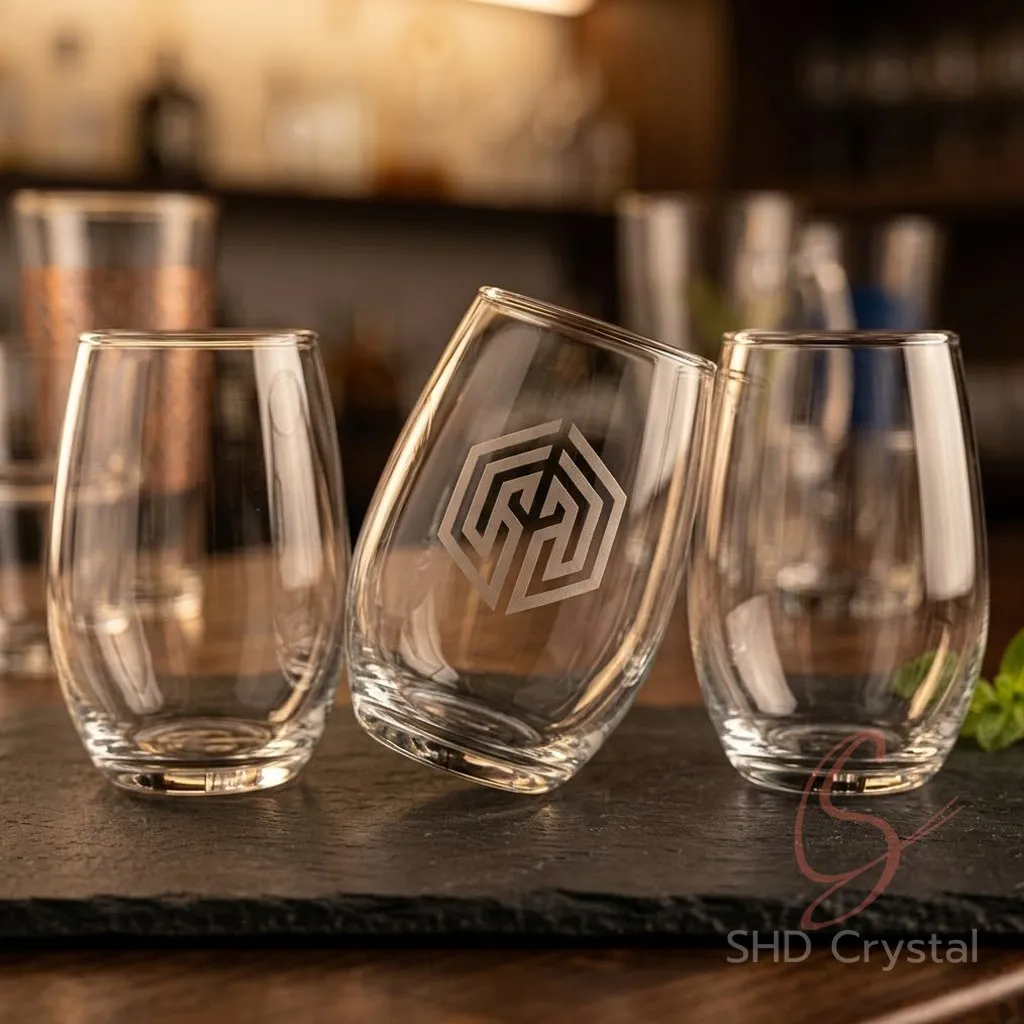
One thing buyers should note whether the decoration method matches the cup's intended lifespan. Screen printing works for short-run promotional events, but acid etching or sandblasting holds up through hundreds of washes. On the ground, buyers who underestimate decoration durability end up reordering within a season.
Decoration Methods and What Each One Actually Delivers
Three surface treatment methods dominate the branded glassware market. Each carries specific trade-offs that affect both cost and visual outcome:
Acid etching requires careful chemical concentration control. If the bath temperature drifts or immersion time varies across a rack, the opacity turns patchy and the logo looks inconsistent in direct light. A factory with proper process controls will log temperature readings per batch. Sandblasting creates a deeper tactile texture, but on cups with walls under 3mm, the abrasive pressure can introduce micro-fractures around the design edge — invisible at shipment but visible after enough dishwasher cycles. Laser engraving offers the most precision for intricate logos, yet the per-unit cost climbs quickly once orders exceed several thousand pieces.
Material Choices: Soda-Lime, Borosilicate, and Crystal
The material chosen for custom tasting cups determines durability, clarity, and price point. Soda-lime glass handles everyday use and keeps costs low — it is the default for high-volume wholesale tasting glasses. Borosilicate glass resists thermal shock, making it suitable for venues that serve both hot and cold tastings from the same station. Crystal offers the brilliance and weight that luxury brands expect, but the trade-off is a higher unit cost and more careful handling during shipping.
That depends on the service environment. A rooftop bar exposing cups to direct sun and rapid temperature swings benefits from borosilicate. A wine tasting room where aesthetics drive the guest experience may justify crystal despite the added expense. What matters most is material is 'best,' but which matches the venue's operational reality.
Buyers sourcing custom glass samplers from Chinese manufacturers should verify whether the supplier uses lead-free crystal. Regulations in the EU and US restrict lead content in food-contact glassware, and a responsible manufacturer will provide compliance documentation upon request.
MOQ Realities and Lead Time Expectations
Minimum order quantities for branded glassware vary widely. A supplier running a standard IS machine with a multi-cavity mold may require several thousand pieces per colorway to justify the tooling setup. Smaller factories with hand-production lines can accommodate lower volumes, but the per-unit cost rises accordingly.
For custom tasting cups, typical lead times from confirmed PO to shipment run several weeks for stock molds and longer when custom tooling is involved. A beverage brand launching a seasonal tasting series should factor mold development, sample approval, production, and ocean freight into the calendar — ordering months in advance is not optional, it is standard practice.
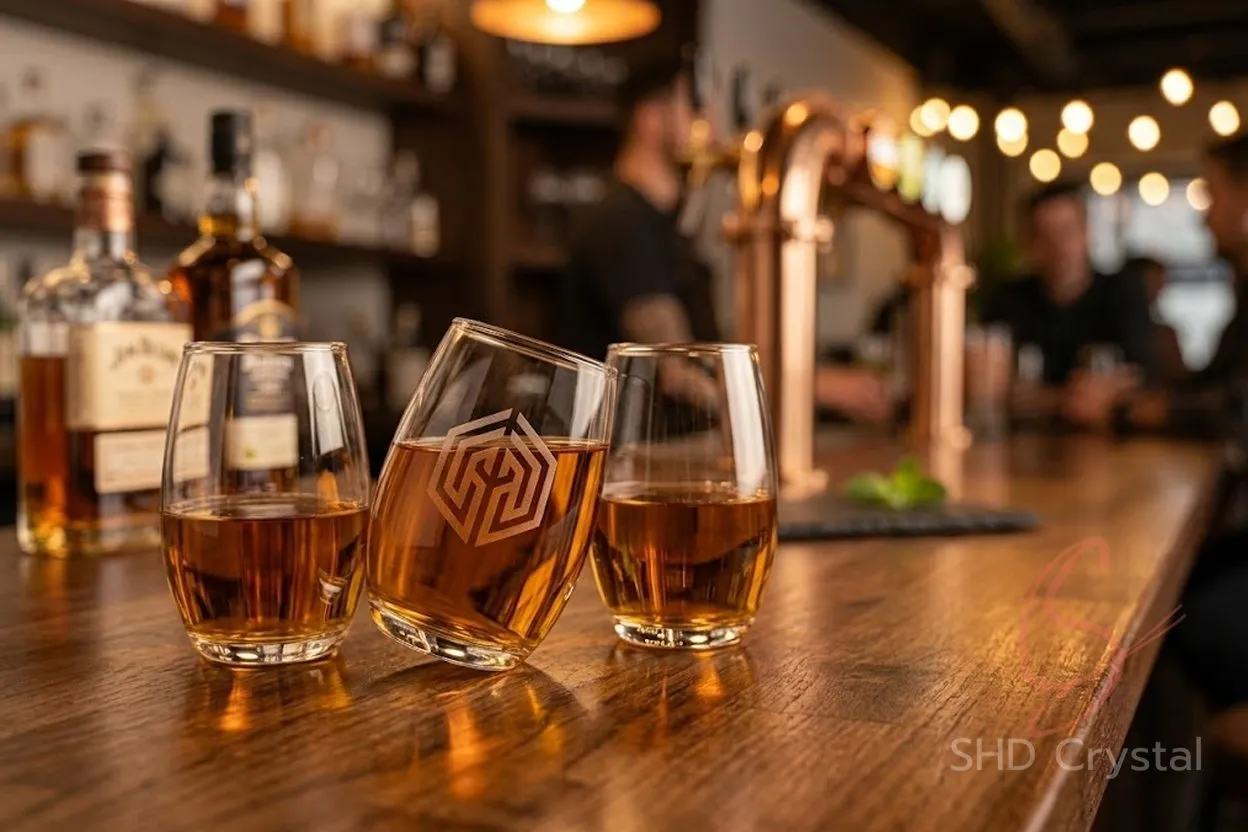
A micro-scenario worth considering: a craft brewery wants 500 custom etched tasting glasses for a festival in eight weeks. If the supplier does not have a compatible blank in stock, the lead time extends because the brewery first needs mold samples, then approval, then production — eight weeks is tight. The smarter move is requesting the supplier's current blank inventory before committing to a design.
Quality Inspection and Packaging Considerations
A responsible procurement team should specify AQL standards in the purchase order. AQL 2.5 for critical defects and AQL 4.0 for minor visual imperfections is a common starting point for drinkware. During inbound inspection, checking for logo alignment, etching depth consistency, and rim smoothness catches issues before they reach the customer.
Packaging matters as much as the product itself. custom tasting cups shipped in bulk need inner dividers or foam inserts to prevent glass-to-glass contact. Export cartons should withstand stacking pressure, and pallets need corner protection for ocean freight. Buyers who skip these details often discover scratched or chipped cups at the receiving dock — a problem that costs more to resolve than to prevent.
The trade-off between packaging cost and damage rate is real. wholesale tasting glasses ordered for promotional giveaways may tolerate simpler packaging, but custom glass samplers destined for retail shelves or premium hospitality settings demand a higher standard of presentation and protection.
FAQ
Q: What is the typical MOQ for custom tasting cups from Chinese manufacturers?
A: MOQs vary by supplier and decoration method. Stock molds with screen printing may accept orders as low as 500 pieces. Custom etched or embossed designs typically require higher minimums because of tooling and setup costs. Asking the supplier for current blank inventory can sometimes reduce the effective MOQ.
Q: How do wholesale tasting glasses differ from standard retail glassware?
A: Wholesale tasting glasses are produced in volume with consistent specifications for commercial use. They are typically thicker-walled, dishwasher-rated, and designed to withstand repeated service cycles in bars and restaurants. Retail glassware prioritizes shelf appeal over durability.
Q: What quality certifications should I look for when sourcing custom glass samplers?
A: Buyers should request documentation for food-contact safety compliance (FDA, EU Regulation 1935/2004), and verify whether the manufacturer holds ISO 9001 or equivalent quality management certification. For lead-free crystal claims, ask for third-party lab test results.
Q: How long does acid etching last compared to screen printing?
A: Acid etching bonds with the glass surface and typically survives hundreds of commercial dishwasher cycles. Screen printing uses applied inks that degrade over time, showing edge wear after far fewer washes. For permanent branding, etching is the more durable investment.
Conclusion
Sourcing custom tasting cups successfully means aligning decoration method, material choice, MOQ thresholds, and packaging standards with the actual service environment. Buyers who treat the spec sheet as a living document — revisiting it as operational needs evolve — avoid the costly cycle of reordering and replacement. Whether the order is for a single taproom or a national hospitality chain, the fundamentals remain the same: verify durability, confirm compliance, and plan lead times realistically.
Start Your Next Glassware Project
SHD Glassware works with procurement teams sourcing custom tasting cups for bars, breweries, hotels, and event venues. To discuss specifications, request samples, or review MOQ options for custom glass samplers, reach out to the SHD Glassware team. A detailed spec sheet and timeline estimate can help your team make a confident, well-informed purchasing decision.
If you are interested in our glassware or related products,
please feel free to contact us.

