


Blogpost keywords: bulk wine cups, wholesale glass tumblers, custom wine glasses
Sourcing bulk wine cups for hospitality, retail, or private-label programs starts with understanding what affects performance on the shelf and in the dishwasher. Glass composition, wall thickness, and tolerances matter more than the catalog photo suggests.
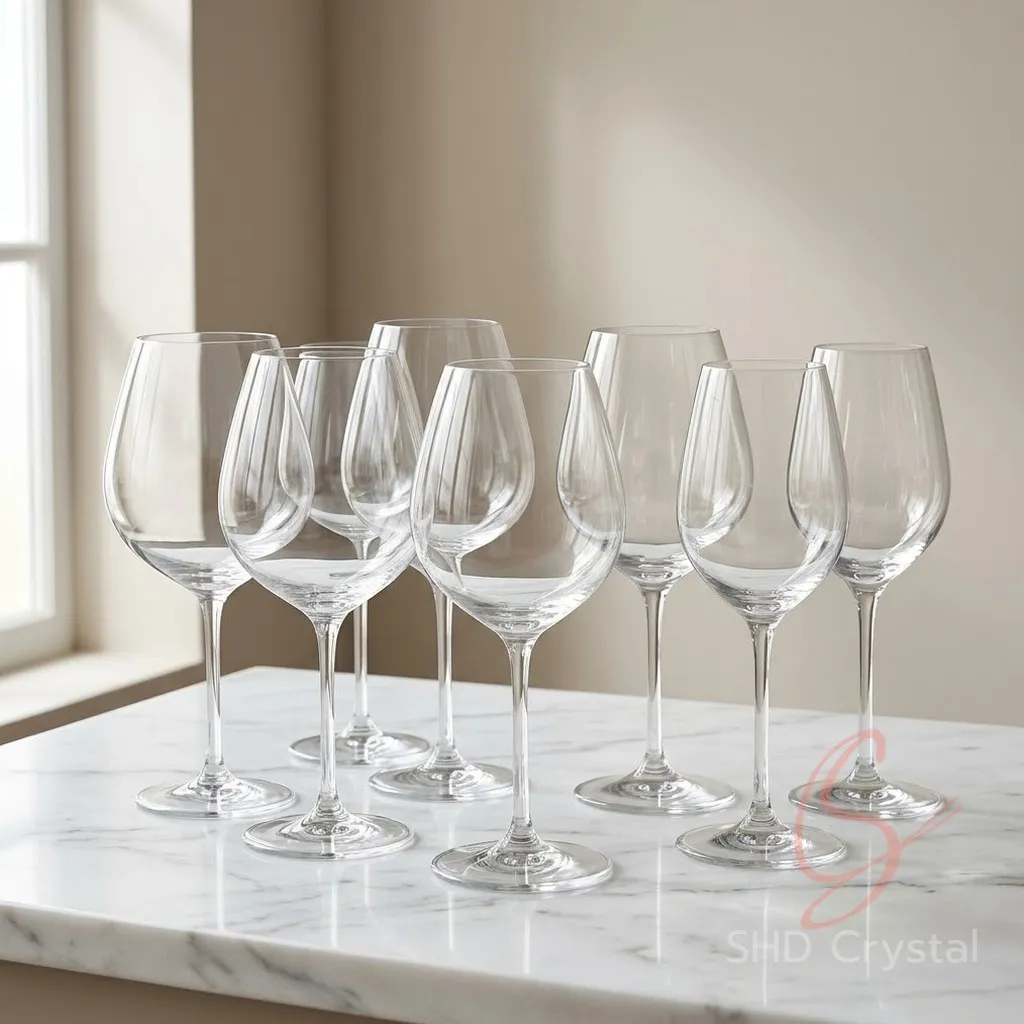
Key Specifications That Define Quality in Bulk Wine Cups
When comparing wholesale glass tumblers across factories, the real divergence sits behind the price tag. A factory running an IS machine with tight cavity control produces more consistent wall thickness than hand-blown operations. That consistency means fewer chips during packing and lower return rates.
Material | Best For | Main Limitation |
Soda-lime glass | Everyday service, high-volume hospitality | Susceptible to thermal shock; chips more easily under repeated impact |
Borosilicate glass | Outdoor dining, heated environments | Higher per-unit cost; limited color and texture options |
Lead-free crystal | Premium bars, gift sets, private-label luxury | Heavier; requires careful handling during shipping |
Soda-lime glass dominates this market because it balances cost and durability. Borosilicate handles temperature extremes better, making it the smarter move for outdoor venues. Lead-free crystal delivers clarity premium brands expect, but added fragility means higher packaging costs.
Wall thickness also matters. Thicker walls resist chipping but add weight, affecting shipping costs and feel. Most procurement teams find that 2.5 to 3.5 millimeters strikes the right balance.
Surface Finish Options and Their Trade-Offs
Choosing the right finish for custom wine glasses is more than cosmetic. Screen printing offers vivid graphics at low cost, but shows edge wear well before etched glass needs replacement. The difference is measured in years of service, not weeks.
Acid etching on curved wine bowls needs careful chemical concentration control. If bath temperature drifts, the opacity turns uneven. Sandblasting creates deeper texture, but blasting a thin bowl invites microfractures around the design edge that surface after enough dish cycles.
Laser engraving is the most precise option for short runs where screen-printing setup costs would be wasteful. The trade-off is a higher per-unit price that only makes sense when the design demands sharp lines.
A beverage brand planning a summer tasting series needed 12,000 custom wine glasses with a two-color logo. The procurement team quoted screen printing, but a mold shop recommended acid etching instead, reasoning that outdoor use would expose the cups to UV light. The etched option added roughly 15 percent to decoration cost but avoided the risk of logo fading mid-campaign.
Lead Times, Tooling, and What Slows Down Delivery
Standard shapes for wholesale glass tumblers typically run 20 to 30 working days from purchase order to shipment. New tooling, custom shapes, or non-standard colors can push that to six weeks or longer.
Decoration adds another layer of lead time. Screen printing, acid etching, and laser engraving often happen at separate workshops. A factory with in-house decoration controls the timeline more tightly. Asking upfront whether decoration is handled in-house saves weeks of surprises.
Mold changeover is another hidden variable. If the factory is running a different SKU on the same line, switching takes time. Ordering enough volume to justify a dedicated run is usually a smart move when timelines are tight.
Quality Checkpoints That Protect Your Order
A responsible manufacturer applies AQL sampling at multiple stages. Checking only finished cartons misses defects that accumulate during forming and decoration. The better approach is inspection after forming, after decoration, and again before palletization.
For wine glasses with custom finishes, dimensional tolerances deserve close attention. Base diameter, bowl height, and rim thickness all affect how cups stack and feel during service. A tolerance that seems minor on paper creates real problems when thousands of units enter a shipping container.
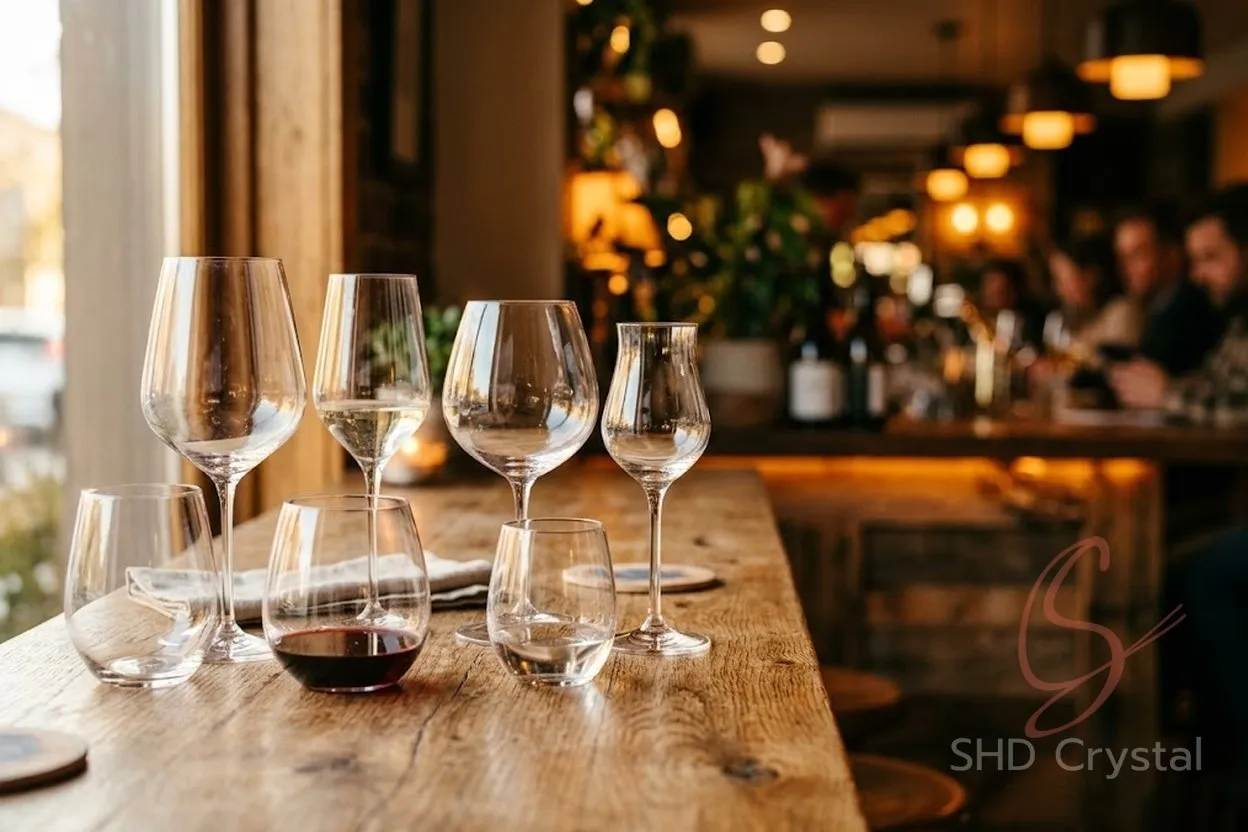
Packaging matters more than most buyers expect. Inner cartons with dividers protect units. Export cartons need to withstand humidity and stacking loads during ocean freight. Breakage in the first shipment usually points to a packaging spec that was not tight enough.
Cost Drivers Worth Understanding Before You Quote
The price of bulk wine cups is shaped by more than raw material. Glass composition, wall thickness, mold complexity, decoration, and packaging all pull the number in different directions. The lowest per-unit price may reflect thinner walls or lighter packaging than your application requires.
Negotiating on volume commitment is usually more effective than pushing per-unit price. Factories reward orders that justify a full production run because changeover costs spread across more units.
FAQ
What is the typical MOQ for bulk wine cups from Chinese manufacturers?
Minimum order quantities vary. Popular sizes with existing molds may accept orders as low as a few thousand units. Custom shapes or new tooling typically require higher volumes. Asking whether stock molds are available is the fastest way to reduce the MOQ.
How do soda-lime and borosilicate glass compare for commercial use?
Soda-lime handles everyday hospitality service well and costs less. Borosilicate resists thermal shock better, making it suitable for outdoor venues. For most standard bar use, soda-lime is the practical choice.
What quality certifications should buyers look for when sourcing?
ISO 9001 signals a documented quality management system. SGS or Bureau Veritas inspection reports add third-party verification. For food-contact glassware, confirming FDA or EU compliance is worth specifying in the RFQ.
How does decoration method affect lead time?
Screen printing is generally fastest for large runs. Acid etching and laser engraving add processing time, especially when outsourced. Always confirm whether decoration is handled in-house before finalizing the timeline.
Conclusion
Sourcing bulk wine cups successfully comes down to matching material, finish, and packaging to the actual demands of the application. Buyers who understand mold options, decoration trade-offs, and quality checkpoints spend less time managing returns. The deciding factor is not the lowest unit price, but the factory that delivers the consistency your program requires.
Start Your Next Order With Confidence
SHD Glassware works with procurement teams, beverage brands, and hospitality groups to source bulk wine cups that match specific performance and branding requirements. Whether the project calls for wholesale glass tumblers in standard sizes or custom wine glasses with specialized decoration, reaching out early helps align specifications, lead times, and budget before the first PO is placed.
If you are interested in our glassware or related products,
please feel free to contact us.

