


Blogpost keywords: cutting chai glass manufacturers, chai glass supplier China, Indian cutting chai glass wholesale
Finding reliable cutting chai glass manufacturers means looking beyond price quotes — it means understanding how a supplier handles blank forming, decoration, and export packaging. The cutting chai glass demands thick-walled soda-lime glass, a comfortable rim diameter, and cut-pattern detailing. Buyers who rush sourcing often land on the cheapest option, only to find that consistent wall thickness and on-time delivery were never part of the supplier's capability.
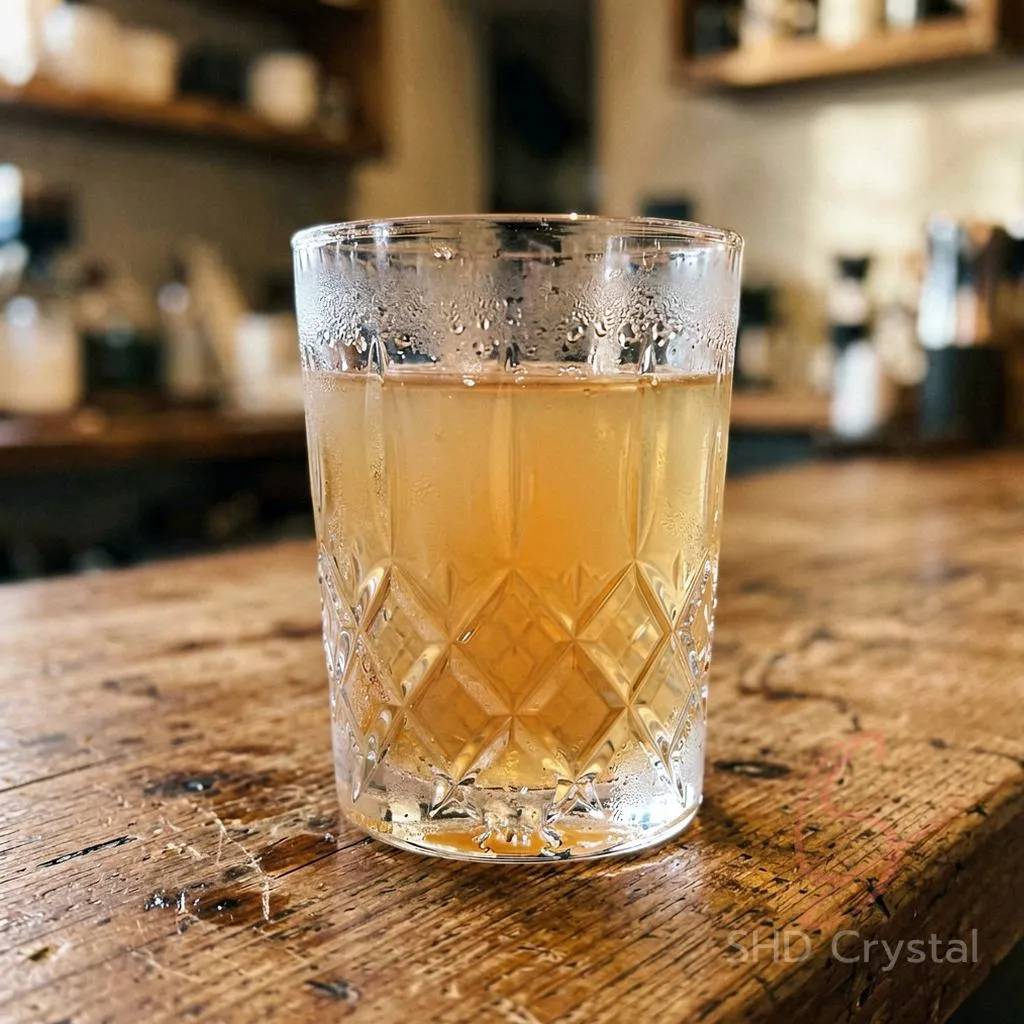
What Cutting Chai Glass Manufacturers Look Like on a Factory Floor
A credible chai glass supplier China should explain their forming method — whether they run an IS machine for high-volume daily glass or rely on older manual press lines. IS machines produce blanks with tighter dimensional tolerances across thousands of impressions, whereas manual setups drift between shifts. A supplier running a 6-cavity mold on an IS machine delivers more consistent rim diameters than one operating a 2-cavity manual press, and that consistency shows up in breakage rates during stacking and transport.
Request a pre-production sample run before committing to a purchase order. Ask for samples from different mold cavities, not just a single showcase piece. Run your fingernail along the base seam — a smooth line suggests proper mold maintenance. Hold the glass against a light and check for bubbles near the base; scattered bubbles are normal in soda-lime production, but clusters signal furnace temperature problems.
Cutting Methods, Finish Quality, and the Trade-Offs Nobody Mentions
Most cutting chai glass manufacturers offer two decoration approaches: molded cut patterns formed during pressing and post-production wheel cutting after the blank cools. Molded patterns are faster and cheaper — the standard choice for Indian cutting chai glass wholesale orders where cost per unit drives the decision. Wheel-cut detailing produces a sharper, more tactile pattern that signals a premium product, but per-unit cost climbs. When evaluating a chai glass supplier China, ask which method applies to your product tier before quoting.
Molded Cuts vs. Wheel Cutting vs. Laser Etching
Decoration Method | Best For | Main Risk |
Molded cut patterns | High-volume daily glass, tight budgets | Less tactile feel, pattern shallow on thin walls |
Wheel-cut detailing | Premium retail, hospitality, gift sets | Higher cost, skilled labor required, longer lead times |
Laser etching | Logo placement, small custom runs | Shallow depth, limited tactile impact |
For chai glasses specifically, the cut pattern serves both aesthetic and functional roles: it provides grip on a glass often held without a handle, and the grooves channel condensation to keep the surface comfortable. A buyer evaluating cutting chai glass manufacturers should press suppliers on which method they actually use, because the word 'cut' gets applied loosely across the industry.
Cost Factors That Determine Your Actual Per-Unit Price
The unit price a chai glass supplier China quotes rarely tells the whole story. Tooling charges for a new mold pattern are the largest upfront cost, and that expense amortizes differently depending on order volume. A buyer placing a 10,000-piece Indian cutting chai glass wholesale order faces a different per-unit breakdown than one ordering 50,000 units. Beyond tooling, key drivers are glass weight, decoration complexity, and packaging.
In practice, packaging absorbs more cost than most buyers anticipate. A chai glass for a hotel bar cart ships in a corrugated tray; retail display needs individual boxes and possibly a printed sleeve. For Indian cutting chai glass wholesale shipments, packaging specification affects both per-unit cost and damage rate during ocean transit, so it is worth specifying clearly in the purchase order.
Why Regional Glass Clusters Matter for Sourcing
China's glass manufacturing geography matters. Boshan in Shandong has been a glassware hub for decades, with factories handling raw material supply, forming, and decoration within a compact area. Hebei province has its own concentration focused on daily-use glass. A factory controlling the full chain — blank forming, cut detailing, quality inspection, and export packaging — operates differently from one that outsources decoration.
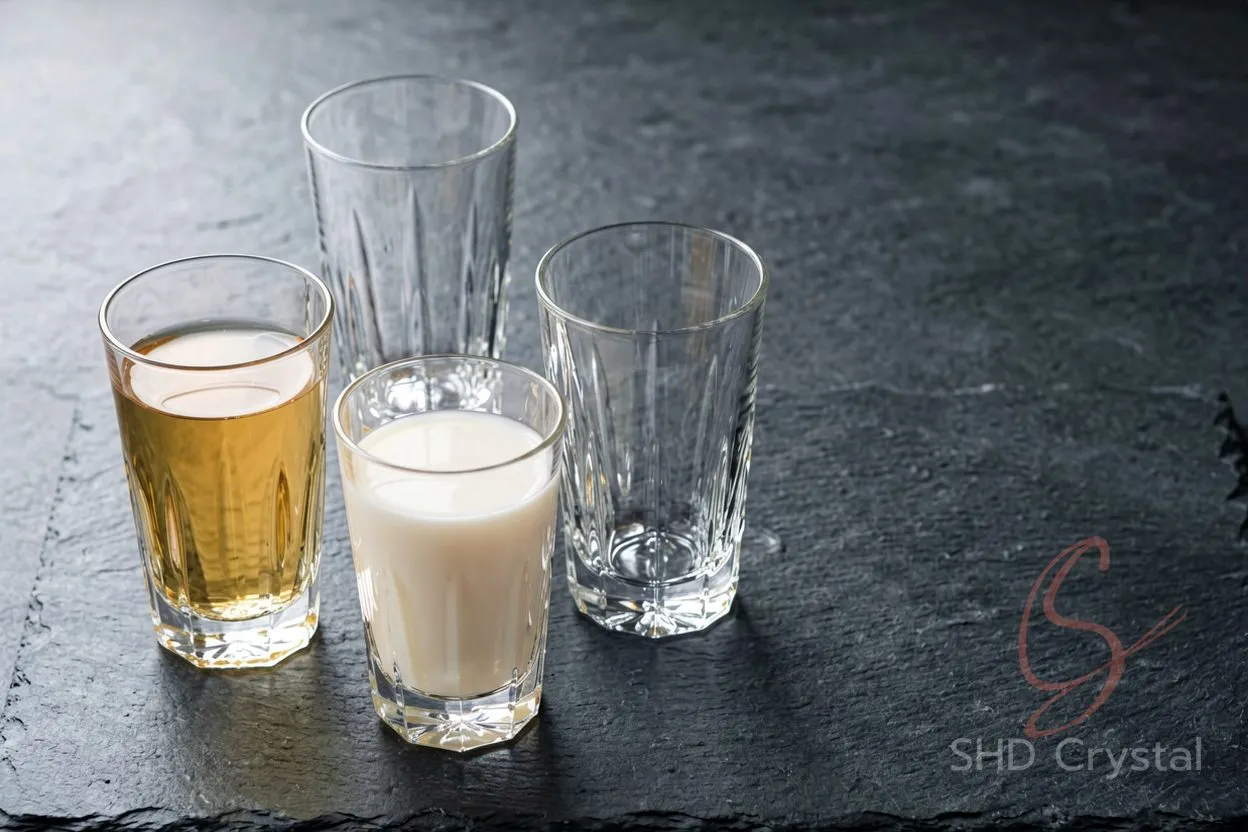
That distinction shapes lead time and quality consistency. When a factory controls the full chain, quality issues get caught at one checkpoint rather than bouncing between facilities. When decoration is outsourced, the blank producer ships partially finished goods to a separate workshop, adding handling risk. Procurement teams evaluating cutting chai glass manufacturers should ask directly whether decoration happens in-house — the answer shapes the entire risk profile of the order.
FAQ
What is the typical MOQ for cutting chai glass orders from Chinese factories?
Most cutting chai glass manufacturers set MOQs between 5,000 and 10,000 pieces for standard patterns. Custom cut designs require higher minimums due to tooling investment. Request the MOQ breakdown at the RFQ stage.
How does soda-lime glass compare to borosilicate for chai glasses?
Soda-lime glass is the standard material — it handles hot tea service and dishwasher cycles well. Borosilicate withstands higher thermal shock but is lighter and more brittle, less suitable for rough handling in a tea stall or busy café. Soda-lime favors durability and cost; borosilicate favors thermal performance and clarity.
What quality certifications should I check when sourcing from a chai glass supplier China?
ISO 9001 is the baseline. For food-contact glassware, verify FDA or LFGB compliance depending on your market. Some factories hold BSCI or Sedex social compliance audits. Ask for copies and verify directly.
How long does production typically take for an Indian cutting chai glass wholesale order?
Lead times typically run three to six weeks from confirmed PO to loading, depending on volume, mold availability, and decoration complexity. Factor in ocean freight to your destination port, which adds several weeks. Planning ahead avoids expedited shipping costs that erode savings from a lower unit price.
Conclusion
Sourcing from cutting chai glass manufacturers requires more than comparing unit prices on an RFQ spreadsheet. The factories that deliver consistent quality control their production chain, maintain their molds properly, and communicate honestly. For Indian cutting chai glass wholesale buyers, the difference between a well-managed factory and a poorly managed one shows up during receiving inspection — wall thickness variation and pattern depth inconsistency are defects that slip through when quality control is lax.
Start Your Sourcing Evaluation with the Right Partner
Working with cutting chai glass manufacturers who understand product specifications and export logistics saves procurement teams time. SHD Glassware works with buyers across hospitality, retail, and food-service channels. Reach out to discuss your next project and receive a detailed spec sheet.
Conclusion
Sourcing from cutting chai glass manufacturers requires more than comparing unit prices on an RFQ spreadsheet. The factories that deliver consistent quality control their production chain, maintain their molds properly, and communicate honestly. For Indian cutting chai glass wholesale buyers, the difference between a well-managed factory and a poorly managed one shows up during receiving inspection — wall thickness variation and pattern depth inconsistency are defects that slip through when quality control is lax.
Start Your Sourcing Evaluation with the Right Partner
Working with cutting chai glass manufacturers who understand product specifications and export logistics saves procurement teams time. SHD Glassware works with buyers across hospitality, retail, and food-service channels to match chai glass requirements with the right production setup. Reach out to discuss your next project and receive a detailed spec sheet.
If you are interested in our glassware or related products,
please feel free to contact us.

