


Blogpost keywords: personalised drinking mugs, custom printed mugs, wholesale personalized drinkware
Sourcing personalised drinking mugs for a brand, event, or retail line means making decisions that go beyond picking a logo and a color. The decoration method, glass type, and production setup each create a different outcome — and not all combinations suit every buyer.
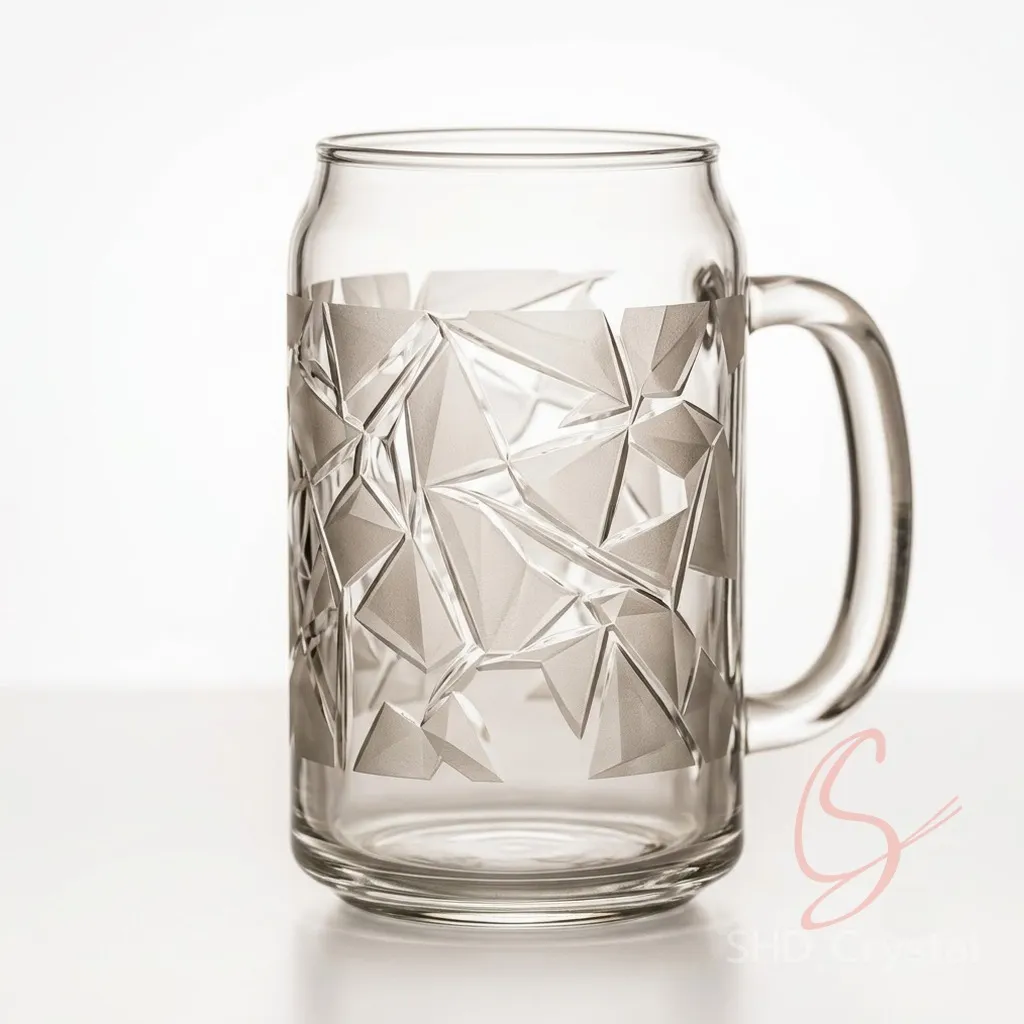
What Drives Your Mug Decision
A hospitality group ordering 5,000 personalised drinking mugs for a hotel chain faces different constraints than a small retailer placing a 200-piece test run. Quantity influences everything from decoration method to minimum order requirements. Screen printing works well for large volumes where consistency matters, but the setup cost makes small runs expensive per unit. Laser engraving offers precision without plates or screens, making it viable for short runs.
The real question isn't which method is "best" — it's which method fits the buyer's specific situation. A beverage brand launching a limited-edition line might find pad printing delivers the color accuracy they need. A gift shop chain ordering wholesale personalized drinkware for seasonal promotions may prioritize speed over durability. Custom printed mugs ordered in bulk require different considerations than small-batch specialty items.
Decoration Methods Compared
Each technique brings trade-offs that matter differently depending on the product's end use.
Method | Best For | Main Risk |
Screen Printing | High-volume orders, bold solid colors | Ink adhesion issues on curved surfaces |
Laser Engraving | Fine detail, short runs, permanent marking | Higher per-unit cost at volume |
Pad Printing | Multi-color designs on irregular shapes | Limited durability on frequently washed items |
Acid Etching | Premium frosted finish, luxury branding | Uneven opacity if chemical concentration drifts |
Screen printing remains the workhorse for custom printed mugs ordered in bulk. The ink sits on the surface, delivering vibrant colors when executed well. However, poor ink curing may cause peeling after a few wash cycles. In practice, asking for a wash test sample before committing to a large order is a reasonable request — and a supplier who resists raises quality questions.
Laser engraving has gained traction for personalised drinking mugs where permanence matters. The laser removes the surface layer rather than adding material, so there's nothing to chip or fade. The limitation is color: most lasers work on a single tone. For brands needing to survive commercial dishwashers for years, this durability advantage outweighs the constraint.
The Factory Reality Most Buyers Don't See
Here's something that trips up first-time buyers: the factory producing your blank mugs and the facility applying your decoration may not be the same operation. In glass manufacturing clusters like Boshan in Shandong or parts of Hebei, blank forming often happens in one workshop while decoration gets handled by a specialist in another town.
This separation affects timeline, quality control, and communication. If your supplier controls the full chain from forming through decoration to packaging, you get one point of accountability. If they subcontract the decoration, you're trusting two parties to coordinate. Lead times typically extend when coordination between facilities is required — a common concern for buyers sourcing wholesale personalized drinkware from Chinese manufacturers.
Material Selection Shapes Everything
The glass itself determines how well any decoration method performs on personalised drinking mugs. Soda-lime glass handles everyday use and keeps costs manageable. Borosilicate offers thermal shock resistance — valuable for mugs intended for both hot and cold beverages. Crystal provides the clarity luxury brands expect, but demands gentler handling during production and shipping.
A practical consideration: glass composition affects ink adhesion and laser response differently. Soda-lime surfaces accept most screen printing inks readily, while borosilicate's thermal properties require specific ink formulations. Testing the exact glass type with your chosen decoration method prevents surprises during production.
Quality Control That Actually Matters
Smart buyers request samples at specific milestones — the raw blank, the decorated sample, and ideally a wash-tested version. For custom printed mugs, running your fingernail across an etched edge reveals depth consistency. Checking screen printing under angled light exposes adhesion problems invisible under direct illumination.
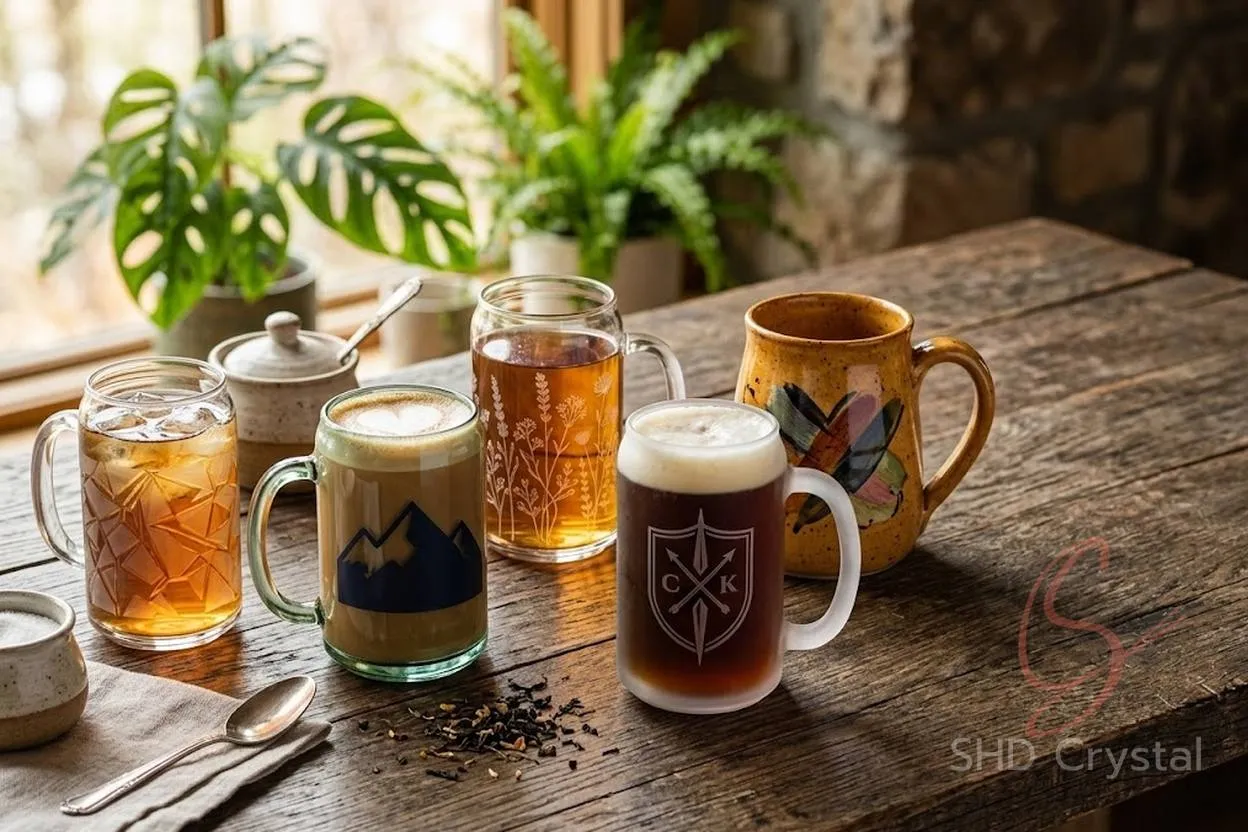
At scale, AQL sampling catches systematic defects, but the real quality advantage comes from clear specifications upfront. Providing the decoration supplier with Pantone references, placement measurements, and acceptable tolerance ranges reduces rework. Many buyers overlook packaging considerations — yet mugs that survive production but arrive damaged in transit waste both the product and the lead time invested.
FAQ
What is the typical MOQ for personalised drinking mugs from Chinese manufacturers?
Minimum order quantities vary by decoration method. Screen printing often requires higher MOQs due to screen setup costs, while laser engraving can accommodate smaller runs. Most suppliers set minimums between 100 and 1,000 pieces depending on complexity.
How do screen printing and laser engraving compare for durability?
Screen printing offers vibrant color but can wear with repeated washing if ink curing isn't properly controlled. Laser engraving creates a permanent mark that won't peel or fade, though it's limited to the natural color of the glass beneath.
What quality certifications should buyers look for when sourcing wholesale personalized drinkware?
Look for ISO 9001 quality management systems and food-contact safety certifications. For specific markets, additional compliance testing for lead and cadmium limits may be required.
How long does production typically take after samples are approved?
Lead times typically run two to four weeks for standard orders, depending on quantity and decoration complexity. Orders requiring custom molds may take longer.
Conclusion
Choosing the right approach to sourcing personalised drinking mugs means matching the decoration method to the order volume, the glass type to the end use, and the production setup to the quality standards required. The best results come from clear specifications, realistic timelines, and suppliers who welcome quality verification.
Getting Your Personalised Drinking Mugs Sourced Right
Whether the goal is branded merchandise for a corporate event or a retail line of custom printed mugs, the process benefits from treating each decision — glass, method, supplier structure — as connected rather than isolated. SHD Glassware works with buyers navigating these choices, providing guidance on decoration methods, material selection, and production planning for wholesale personalized drinkware orders ranging from test runs to large-scale distribution.
If you are interested in our glassware or related products,
please feel free to contact us.

