


Amber glass is often selected when packaging needs both a distinctive appearance and reduced light exposure. For cosmetic creams, balms, botanical products, specialty ingredients, and other sensitive formulations, an amber glass jar manufacturer needs to consider more than glass color alone. Jar opening, closure compatibility, wall structure, filling conditions, surface decoration, and transport protection all influence how the finished package performs.
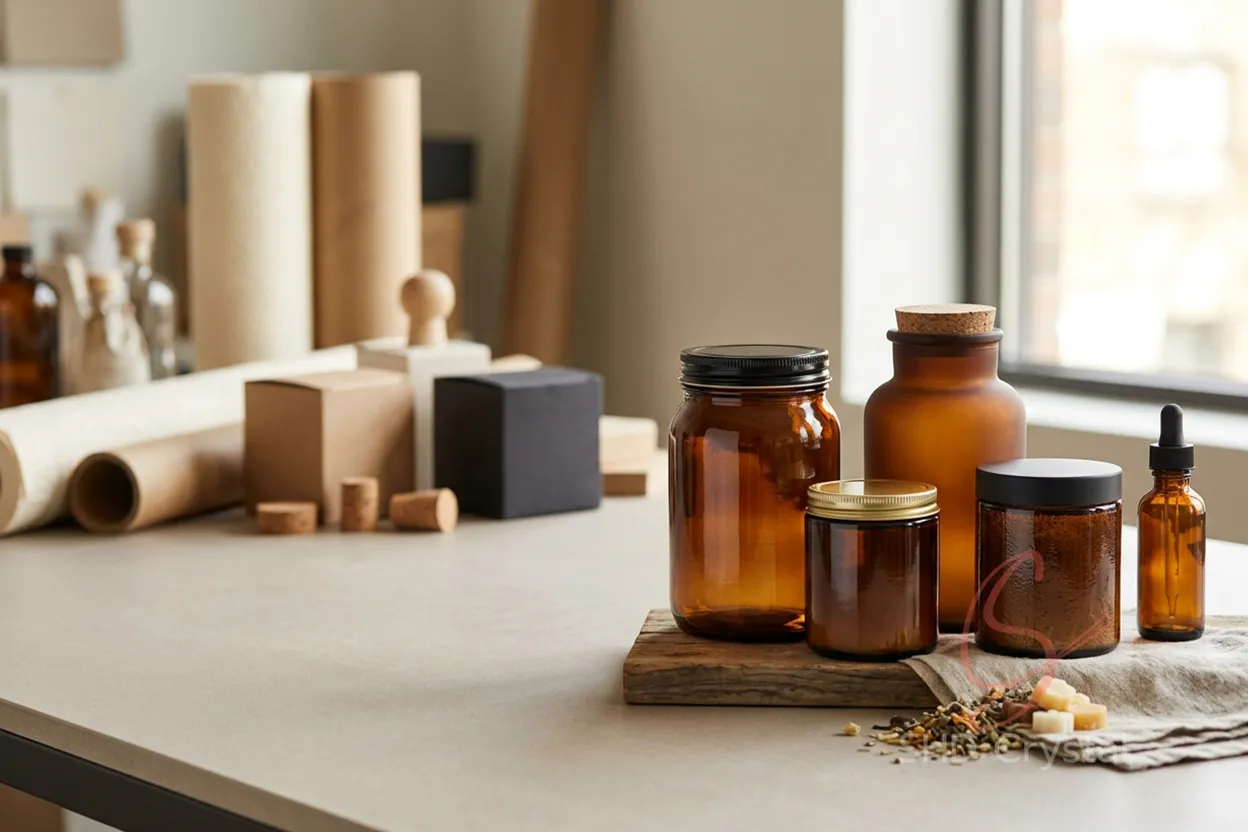
Amber Glass Jar Manufacturer for Reliable Packaging
Amber glass is often selected when packaging needs both a distinctive appearance and reduced light exposure. For cosmetic creams, balms, botanical products, specialty ingredients, and other sensitive formulations, an amber glass jar manufacturer needs to consider more than glass color alone. Jar opening, closure compatibility, wall structure, filling conditions, surface decoration, and transport protection all influence how the finished package performs.
For brands developing amber glass jars, the most practical approach is to evaluate the jar together with the actual product and closure system. A visually attractive container may still require adjustments if the opening is inconvenient, the cap fit is inconsistent, or the packaging does not suit the intended filling and handling process.
Amber Glass Jar Manufacturer Selection Depends on More Than Appearance
Amber glass can reduce light exposure compared with clear glass, which makes it useful for selected products whose appearance or formulation may be affected by light. However, amber color should not be treated as a complete protection system by itself. Product formulation, closure performance, storage conditions, and filling requirements still need to be reviewed separately.
A capable glass jar supplier should therefore provide clear information about jar dimensions, neck finish, closure options, glass structure, and available finishing processes. These details help determine whether the packaging can work consistently during filling, sealing, labeling, storage, and repeated production.
For amber glass jars, color consistency also deserves attention. Small differences may be less obvious when jars are viewed individually, but they can become more noticeable when multiple units are displayed together or supplied across repeat batches.
Closure and Opening Design Should Match the Product
The opening and closure system directly affect how the jar is filled and used. A wide-mouth jar may work well for creams, balms, powders, or products applied with a spatula, while other applications may require tighter control over sealing surfaces and closure fit.
The cap, liner, thread or lug finish, and jar opening should be reviewed as one system. A jar may have the correct overall appearance but still perform poorly if the closure feels loose, creates uneven sealing, or does not suit the filling process.
An experienced amber glass jar manufacturer should therefore treat closure matching as part of product development rather than as an accessory decision made after the jar has already been approved.
Project Experience Often Reveals Issues During Sampling
In practical packaging projects, the first physical sample often reveals details that drawings or digital renderings cannot show clearly. An amber jar may have the intended color and proportions, but the opening may feel too narrow for the product, the closure may require adjustment, or the finished package may feel heavier than expected once filled.
Surface finishing can also change the result. Frosting, printing, coating, or decorative details may make small differences in the glass body more visible. For amber glass jars, reviewing the actual jar, closure, decoration, and product together during sampling helps identify these issues before repeat production begins.
This type of project review allows a glass jar supplier to refine practical details without unnecessarily changing the original packaging concept.
Manufacturing Consistency Matters Across Repeat Orders
A strong sample is only the beginning of a commercial packaging program. Repeat production requires consistent jar dimensions, opening geometry, glass color, base stability, and surface condition.
Manufacturing factors such as mold condition, glass distribution, forming temperature, and annealing behavior can influence the final result. If these conditions vary too much, later batches may show differences in weight, dimensions, closure fit, or appearance.
A reliable amber glass jar manufacturer should therefore define the features that matter most to the project and maintain appropriate inspection priorities during production. Functional areas such as the neck finish and sealing surface may require more attention than minor cosmetic variation in non-critical zones.
Finishing Should Work With the Amber Glass Body
Amber glass already creates a strong visual identity, so additional decoration should be selected carefully. Frosting can soften reflections, printing can add branding, and surface coating or decorative finishes can create further differentiation.
However, decoration should be tested on the actual glass body. A design that looks balanced on artwork may appear different once applied to a curved jar, darker amber surface, or textured area.
For brands developing premium amber glass jars, decoration should support the material rather than hide it. Reviewing print position, coating coverage, closure color, and label area during sampling helps create a more coordinated final package.
Packaging Protection Should Be Planned Before Shipment
Glass jars require packaging that protects both the container and its finished surface. Carton strength, inner dividers, jar-to-jar spacing, and stacking method can all influence delivery quality.
This becomes especially important when jars use polished surfaces, printed decoration, coatings, or heavier glass structures. Packaging should be reviewed using production-representative samples rather than selected only after manufacturing is complete.
For international projects, a glass jar supplier should also consider how the jars will move through factory packing, warehouse handling, export transport, and final delivery. Good protection helps preserve both the glass body and the decorative finish.
Conclusion
A dependable amber glass jar manufacturer supports more than the production of a colored glass container. Successful packaging development depends on combining amber glass appearance, opening design, closure compatibility, manufacturing consistency, decoration, and transport protection.
For brands using amber glass jars, testing the complete package during sampling provides a more reliable basis for repeat production than evaluating the empty jar alone.
Developing Amber Glass Jar Projects With SHD Crystal
SHD Crystal supports amber glass jars through design review, mold development, sampling, closure coordination, surface finishing, inspection, and export packaging. As a glass jar supplier, SHD Crystal works with customers to evaluate product application and manufacturing requirements before production begins.
Early discussion with an amber glass jar manufacturer about jar size, opening, closure, decoration, target quantity, and packaging requirements can help turn an initial design into a more practical and repeatable packaging specification.
FAQ About Amber Glass Jar Manufacturer
Q01 | What Should Brands Confirm Before Ordering Amber Glass Jars?
Before production, brands should confirm jar capacity, opening size, neck finish, closure type, product application, decoration requirements, and packaging method. Reviewing these details with an amber glass jar manufacturer helps identify potential compatibility issues before tooling or mass production begins.
Q02 | Does Amber Glass Completely Protect Light-Sensitive Products?
Amber glass can reduce light exposure compared with clear glass, but packaging performance also depends on the product formulation, closure, storage conditions, and processing method. Amber glass jars should therefore be tested as part of the complete packaging system rather than treated as the only protection measure.
Q03 | Can a Glass Jar Supplier Customize Amber Glass Packaging?
Yes. Depending on the project, a glass jar supplier may support customized jar shapes, surface finishing, printing, frosting, closure coordination, and export packaging. The practical customization range should be reviewed during sampling so the final design remains suitable for repeat production.

